
In the demanding environment of marine shipbuilding, safety, durability, and efficiency are paramount. Rock Wool Composite Panel, a high-performance sandwich panel, has emerged as a superior solution for shipbuilders seeking reliable fireproofing, thermal insulation, and structural integrity. Designed to meet stringent maritime standards, this panel is widely used in ship cabins, engine rooms, and bulkheads, ensuring enhanced protection and longevity in harsh marine conditions.
What is Rock Wool Composite Panel?
Rock Wool Composite Panel is a type of sandwich panel consisting of a rock wool core bonded between two durable metal facings (typically galvanized steel, aluminum, or stainless steel). Rock wool, also known as mineral wool, is made from molten basalt rock and slag, offering exceptional fire resistance, thermal insulation, and sound absorption. When combined with robust metal skins, the panel becomes a lightweight yet strong construction material ideal for marine applications.
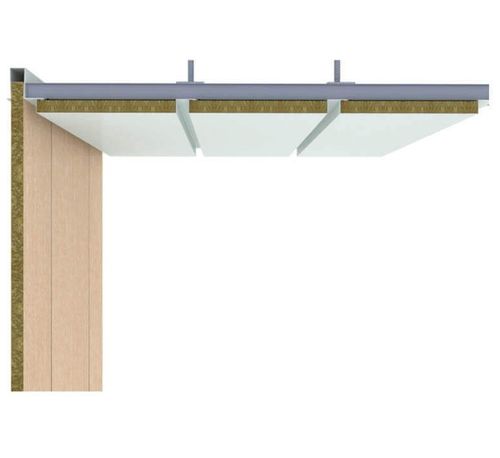
Key Advantages in Marine Shipbuilding
1. Superior Fire Resistance
Fire safety is critical in shipbuilding, where confined spaces increase risks. Rock Wool Composite Panel is non-combustible (A1 fire rating) and can withstand temperatures exceeding 1000°C, effectively preventing fire spread. This makes it an excellent choice for:
- Engine room insulation – Protecting sensitive areas from extreme heat.
- Fire-rated bulkheads and partitions – Complying with SOLAS (Safety of Life at Sea) regulations.
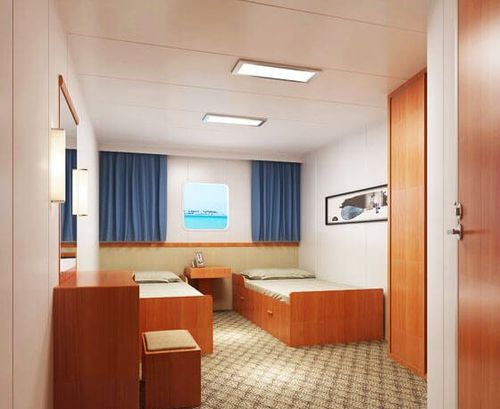
- Accommodation cabins – Ensuring passenger and crew safety.
2. Excellent Thermal and Acoustic Insulation
Ships operate in varying climates, requiring stable internal temperatures. The rock wool core provides low thermal conductivity, reducing energy consumption for heating and cooling. Additionally, its dense fibrous structure absorbs noise, making it ideal for:
- Engine room enclosures – Minimizing machinery noise.
- Cabin walls and ceilings – Enhancing passenger comfort.
3. Lightweight Yet Durable
Compared to traditional materials, Rock Wool Composite Panels are lightweight, reducing overall vessel weight and improving fuel efficiency. Despite this, they offer high compressive strength, resisting deformation under load—crucial for:
- Deck and ceiling panels – Withstanding heavy foot traffic and equipment.
- Bulkheads and partitions – Maintaining structural stability in rough seas.
4. Corrosion and Moisture Resistance
Marine environments expose materials to saltwater, humidity, and chemicals. The metal facings (galvanized or stainless steel) provide excellent corrosion resistance, while the rock wool core is hydrophobic, preventing water absorption and mold growth.
5. Easy Installation and Maintenance
The panels are prefabricated, allowing quick assembly with mechanical fasteners or adhesives. This reduces construction time and labor costs—a major advantage in shipbuilding schedules.
Applications in Marine Shipbuilding
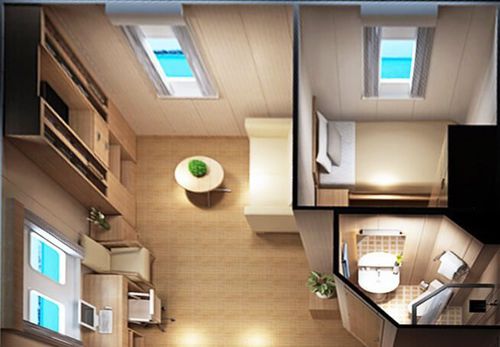
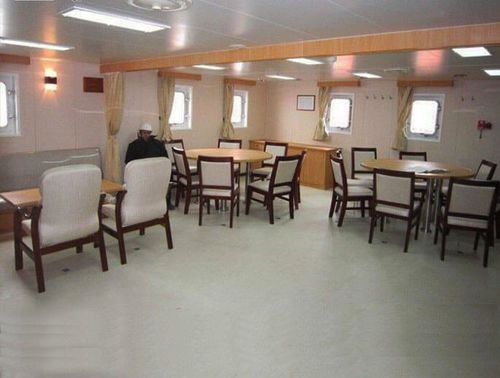
- Cabins & Accommodation Areas – Fireproof, sound-insulated walls and ceilings.
- Engine Rooms & Machinery Spaces – Heat shielding and noise reduction.
- Bulkheads & Decks – Lightweight, fire-resistant structural partitions.
- HVAC Duct Insulation – Preventing heat loss and condensation.
Compliance with Marine Standards
Rock Wool Composite Panels meet IMO (International Maritime Organization) and SOLAS requirements for fire safety, ensuring full certification for commercial and naval vessels.
Conclusion
Rock Wool Composite Panel is a versatile, high-performance solution for modern shipbuilding, combining fireproofing, insulation, and durability in one efficient system. By integrating these panels, shipbuilders can enhance safety, reduce operational costs, and extend vessel lifespan—making it an indispensable material in marine construction.