

High-density PET sandwich panels offer superior strength and thermal efficiency. This lightweight, eco-friendly solution is ideal for modern sustainable construction.
The quest for the ideal building material—one that harmonizes structural performance, economic efficiency, and environmental stewardship—has long defined architectural and construction innovation. Today, that quest has a definitive answer: High-Density PET Sandwich Panels. This advanced composite material is not merely an alternative to traditional options like EPS, polyurethane, or mineral wool; it is a superior, holistic solution engineered for the demands of the 21st century. By integrating unparalleled strength, exceptional insulation, and profound sustainability into a lightweight and versatile format, these panels are redefining what is possible in construction across every sector.
1. Uncompromising Structural Integrity and Durability
At the heart of any ideal building solution is the ability to endure. High-density PET sandwich panels excel through their enhanced mechanical properties, which directly address the shortcomings of older materials.
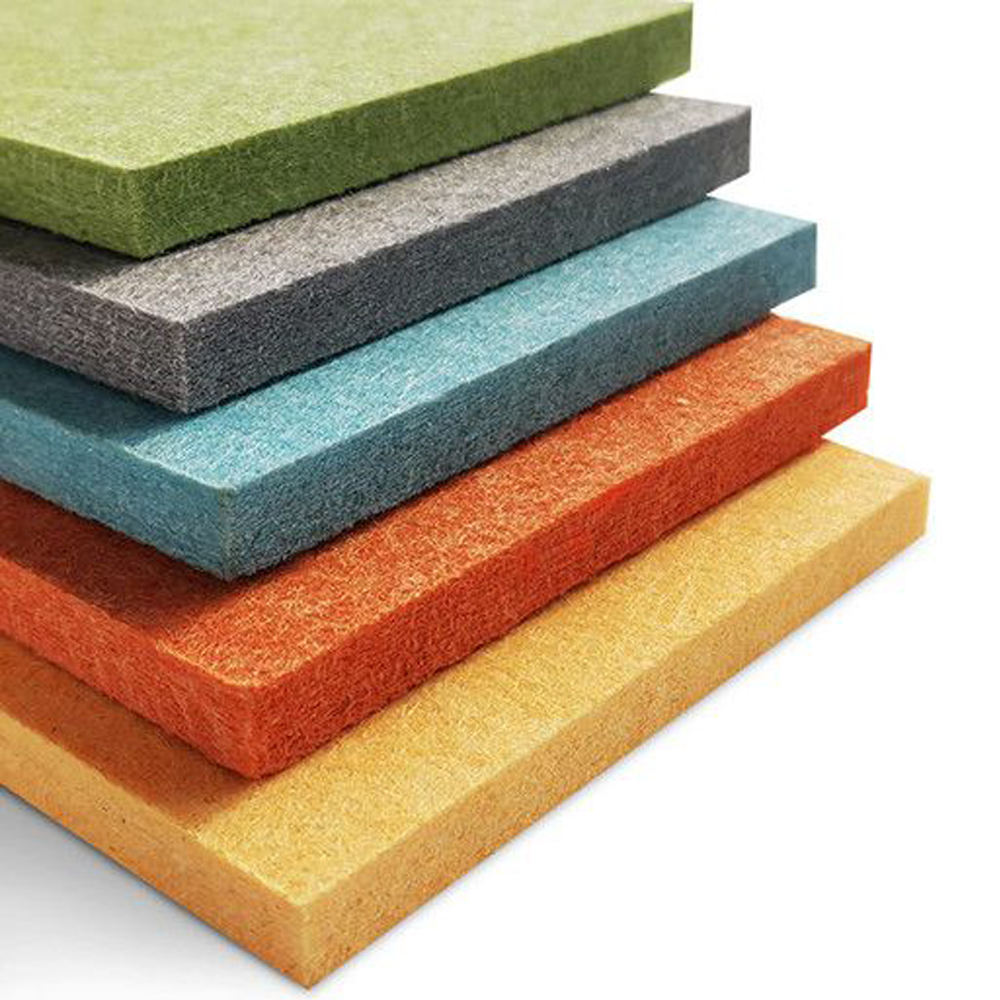
- Superior Load-Bearing Capacity: The increased density of the PET foam core translates directly into higher compressive strength. This makes these panels suitable for applications that standard insulation cannot handle, such as structural insulated panels (SIPs) for walls and roofs, mezzanine flooring, and commercial vehicle floors. They resist deformation under sustained load, ensuring the long-term integrity and flatness of the structure.
- Exceptional Impact and Shear Strength: The inherent toughness of the PET polymer, combined with its dense, closed-cell structure, creates a core that effectively absorbs impact energy from hail, debris, or accidental contact. Furthermore, this rigid core provides an optimal substrate for bonding with facings (like aluminum, steel, or GRP), resulting in excellent shear strength. This prevents delamination and ensures the panel performs as a unified composite system under wind loads, seismic activity, and other dynamic stresses, guaranteeing a longer, maintenance-free service life.
2. The Economic Advantage of Lightweight Performance
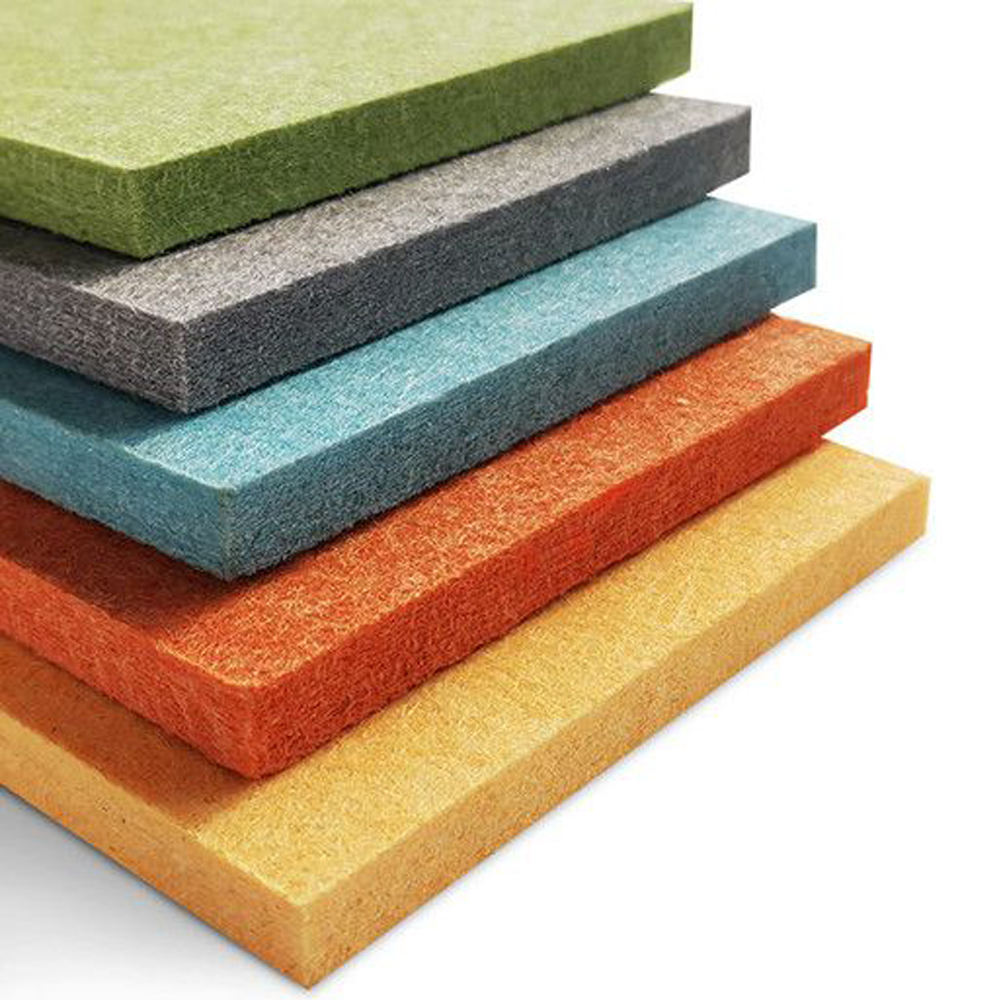
An ideal solution must be not only strong but also practical and cost-effective. The lightweight nature of high-density PET panels is a game-changer for project economics.
- Accelerated Construction and Reduced Labor Costs: The significantly lower weight compared to many traditional materials allows for faster, safer, and easier installation. Smaller crews can handle large panels without the constant need for heavy lifting machinery. This streamlines the construction timeline, leading to substantial savings in labor costs and enabling earlier project completion and occupancy.
- Downstream Structural and Operational Savings: The reduced dead load of the panels lessens the burden on a building’s primary structural frame, potentially allowing for cost optimizations in foundational and support elements. In applications like cold storage warehouses or logistics facilities, the weight savings directly translate into lower energy consumption for transportation and operation, improving the overall life-cycle cost efficiency.
3. Superior Insulation for Enhanced Building Performance
A building’s envelope is its first line of defense against the elements, and its insulating capability is paramount. High-density PET panels create an exceptionally high-performance barrier.
- Excellent Thermal Efficiency: The closed-cell matrix of the PET foam core, filled with inert gas, provides outstanding thermal resistance (with k-values typically between 0.032 and 0.038 W/m·K). This creates a continuous insulating layer that minimizes thermal bridging, drastically reducing the energy required for heating and cooling. For building owners, this means significantly lower utility bills and a smaller carbon footprint, aligning with increasingly stringent energy codes.
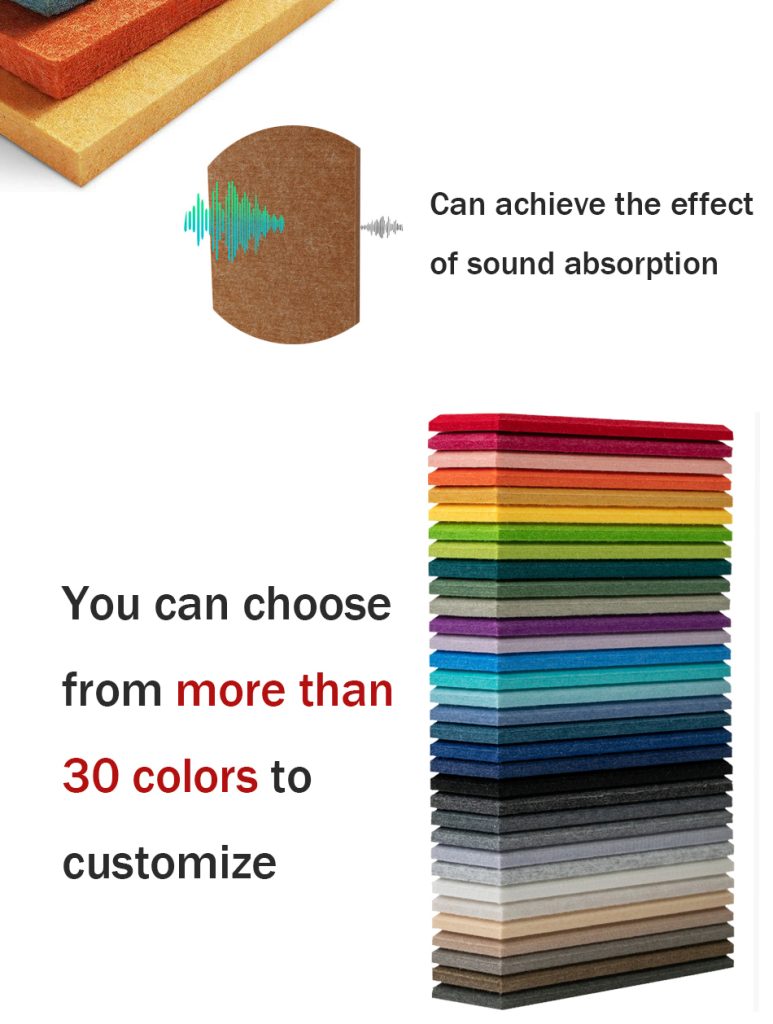
- Effective Acoustic Comfort: Beyond temperature control, the dense core of these panels acts as an effective sound absorber. They dampen airborne and impact noise, making them an ideal solution for creating quieter interior environments in offices, hospitals, residential buildings, and industrial facilities located near sensitive areas.
4. The Defining Edge: Genuine Sustainability
In the modern era, an ideal building solution must be responsible. High-density PET panels are pioneering the shift towards a circular economy in construction.
- Core from Recycled Content: These panels are manufactured primarily from post-consumer recycled PET, such as plastic bottles. This process actively diverts millions of tons of plastic waste from landfills and oceans, transforming a persistent environmental problem into a high-value resource.
- Recyclable and Non-Toxic: Unlike thermoset foams (e.g., PUR), which are difficult to recycle, PET is a thermoplastic. At the end of its long life, the panel core can be melted and reformed, contributing to a circular material loop. Furthermore, the panels are produced without CFCs, HCFCs, or halogens, and they exhibit low smoke density and toxicity in the event of a fire, ensuring a safer environment for occupants.
5. Unmatched Versatility Across Applications
The true test of an ideal solution is its adaptability. High-density PET sandwich panels meet this challenge, serving a vast array of applications:
- Architectural Cladding: For facades, roofs, and soffits in commercial, industrial, and agricultural buildings.
- Cold Chain Logistics: As the insulating lining for cold storage rooms and refrigerated trucks, where thermal performance and hygiene are critical.
- Clean Rooms and Food Processing: Where their durable, easy-to-clean surfaces and insulation properties are essential.
- Transportation: In the bodywork of caravans, buses, and marine vessels, where weight savings directly impact fuel efficiency and performance.

Conclusion: The Future, Built Today
High-Density PET Sandwich Panels are more than just a component; they represent a fundamental upgrade to the building ecosystem. They resolve the classic compromises of construction—between strength and weight, performance and cost, and human progress and environmental preservation. By delivering on all these fronts simultaneously, they stand alone as the ideal building solution for architects, engineers, and developers who are ready to build smarter, safer, and more sustainably. The future of construction is not on the horizon; it is here, encapsulated within the robust, insulating, and eco-conscious core of a high-density PET sandwich panel.