
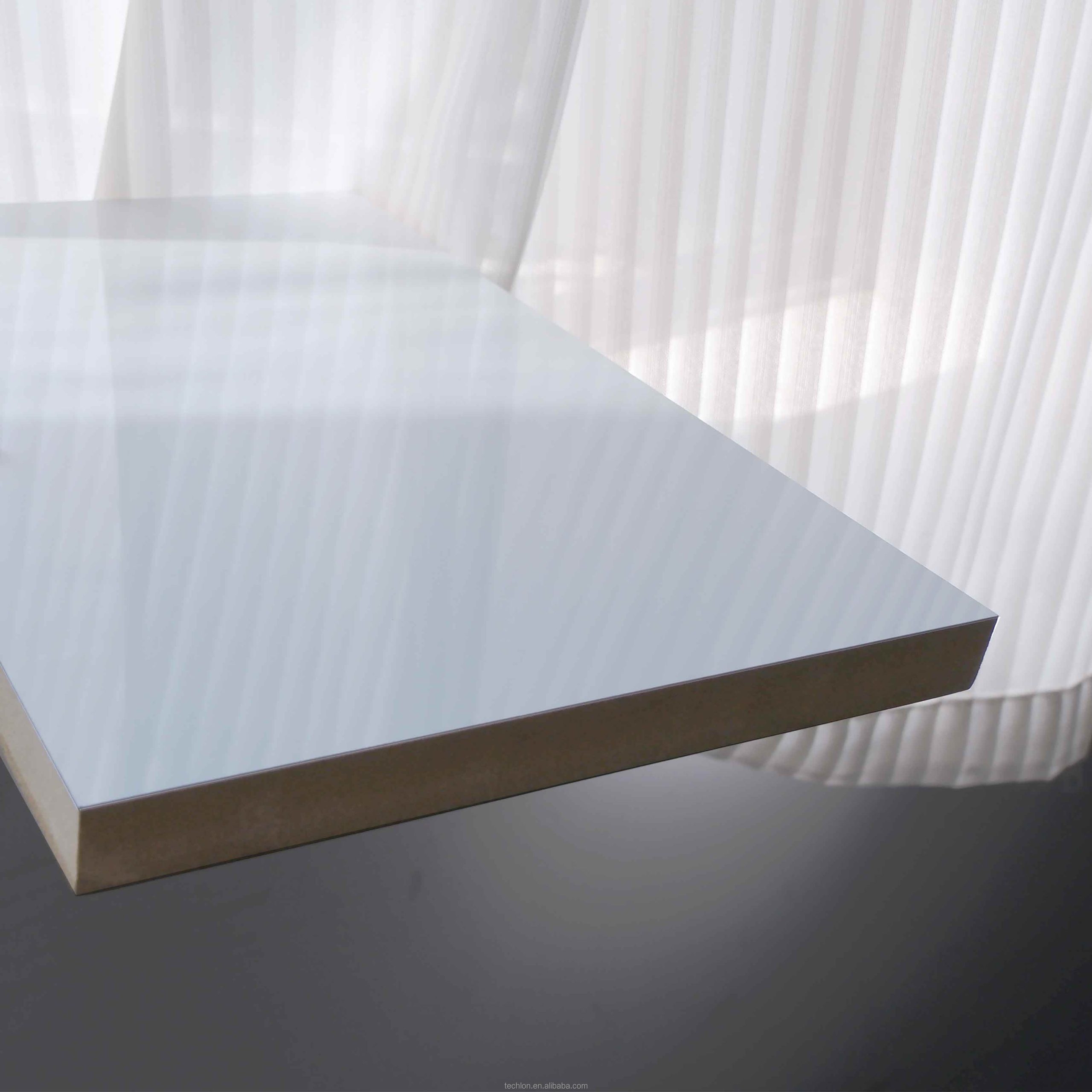
High-Density PET Sandwich Panels offer superior strength, thermal insulation, and are lightweight. Made from recycled materials, they provide a durable and eco-friendly building solution for modern construction.
Introduction: Redefining Modern Building Materials
In the relentless pursuit of advanced construction and industrial materials that meet the dual demands of performance and environmental responsibility, a new champion has emerged: High-Density PET Sandwich Panels. This innovative composite solution represents a significant leap forward, seamlessly integrating exceptional durability, remarkable lightweight properties, and genuine sustainability into a single, versatile product. Moving beyond the limitations of traditional materials like expanded polystyrene (EPS), polyurethane (PUR), or mineral wool, high-density PET panels are engineered for the future, offering a superior choice for architects, engineers, and builders who will not compromise on quality or ecological impact.
Unmatched Durability and Structural Integrity
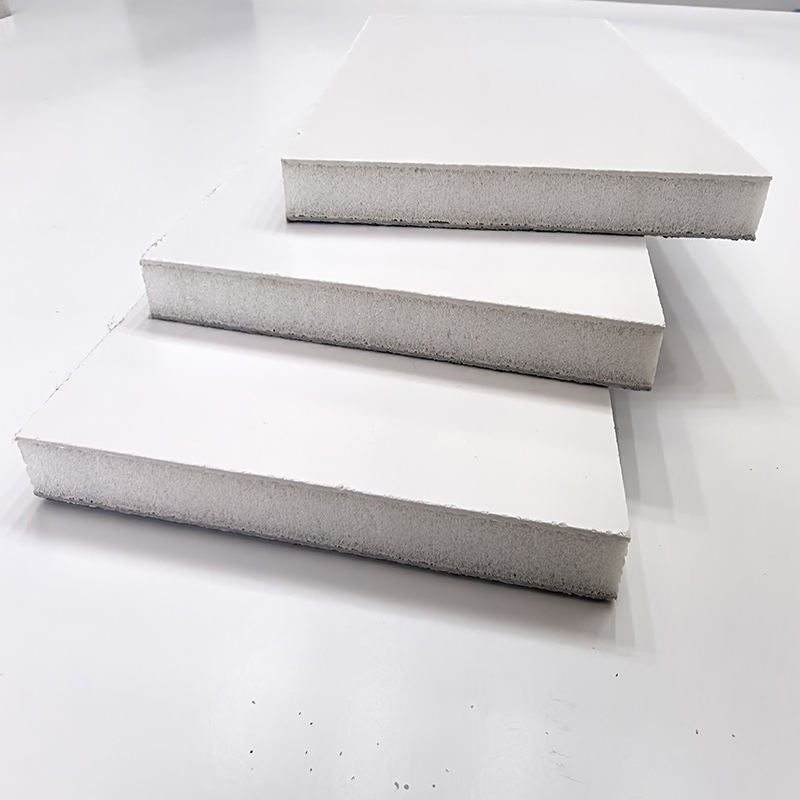
The core strength of this product lies in its high-density Polyethylene Terephthalate (PET) foam core. By increasing the density of the PET foam, we achieve a quantum improvement in mechanical properties.
- Superior Compression Resistance: High-density PET cores can withstand significantly higher loads than their standard-density counterparts. This makes them ideal for applications requiring structural robustness, such as flooring in commercial vehicles, mezzanine floors, structural insulated panels (SIPs) for building walls and roofs, and heavily trafficked cleanroom partitions. They resist deformation under sustained pressure, ensuring long-term structural integrity and a flat, reliable surface.
- Enhanced Shear Strength: The bond between the core and the facings (typically aluminum, steel, or fiberglass) is critical to a sandwich panel’s performance. The rigid, closed-cell structure of high-density PET foam provides an excellent substrate for adhesion, resulting in superior shear strength. This means the panel acts as a truly composite material, resisting delamination and maintaining its stability under wind loads, impacts, and dynamic stresses.
- Excellent Impact Resistance: The inherent toughness of the PET polymer, combined with its dense foam structure, allows the panels to absorb and dissipate energy effectively. This makes them highly resistant to impact damage from hail, debris, or accidental knocks, which is a crucial advantage in both exterior cladding and interior applications.
The Critical Advantage of Being Lightweight
Despite their impressive strength, high-density PET sandwich panels remain exceptionally lightweight. This paradox of high strength-to-weight ratio is one of their most valuable attributes.
- Ease of Handling and Installation: The reduced weight translates directly into lower labor costs, faster installation times, and enhanced safety on the construction site. Panels can be maneuvered by smaller crews without the need for heavy lifting equipment, streamlining the entire building process.
- Logistical and Structural Efficiency: Lighter panels mean reduced loads on a building’s primary structure, allowing for potential savings in supporting steelwork or concrete. In the transport industry, using these panels for trailer bodies or container linings increases payload capacity and improves fuel efficiency. The overall life-cycle cost of a structure or vehicle is positively impacted by this weight savings from the ground up.
Superior Thermal and Acoustic Insulation
PET foam is a naturally outstanding insulator, and the high-density variant further refines this property.
- Thermal Efficiency: The closed-cell structure of the PET foam core is filled with inert gases that drastically reduce heat conduction. This results in excellent thermal insulation (typically a k-value ranging from 0.032 to 0.038 W/m·K), helping to maintain stable interior temperatures. Buildings clad with these panels require less energy for heating and cooling, leading to significant operational cost savings and a reduced carbon footprint.
- Acoustic Dampening: The dense, fibrous-like internal matrix of the PET core is highly effective at absorbing sound waves. This makes these panels an excellent solution for applications where noise reduction is critical, such as in industrial facilities near residential areas, interior partitions in offices, and linings for transportation vehicles, creating quieter and more comfortable environments.
A Genuinely Sustainable Choice
Perhaps the most defining characteristic of high-density PET sandwich panels is their commitment to sustainability, addressing the environmental concerns of the modern world.
- Core from Recycled Sources: The PET foam is primarily manufactured from recycled PET bottles and containers. This process diverts millions of tons of plastic waste from landfills and oceans, giving post-consumer materials a valuable second life as a high-performance building product.
- Recyclability and Circular Economy: Unlike many thermoset foams (PUR, EPS), which are difficult to recycle, PET is a thermoplastic. This means that at the end of its long service life, the panel core can be thermally processed and recycled again, contributing to a circular economy model. This recyclability is a fundamental advantage over traditional insulation materials.
- Non-Toxic and Safe: High-density PET panels are manufactured without using chlorofluorocarbons (CFCs) or hydrochlorofluorocarbons (HCFCs), which are harmful to the ozone layer. They are also halogen-free and have low smoke emission and toxicity in case of fire, enhancing building safety and protecting occupant health.
- Durability as Sustainability: The long service life and minimal maintenance requirements of these panels mean that the resources invested in their production are amortized over decades, reducing the need for frequent replacements and the associated environmental toll.
Versatile Applications Across Industries
The combination of durability, lightweight, and sustainability opens a wide array of applications:
- Construction: Curtain walls, roof and wall cladding, structural insulated panels (SIPs), cold room insulation, and interior partitions for commercial, industrial, and agricultural buildings.
- Transportation: Insulated linings for refrigerated trucks and trailers, bodywork for buses and caravans, and flooring in shipping containers.
- Industrial: Partitions for cleanrooms, food processing plants, and manufacturing facilities where a hygienic, durable, and insulated surface is required.
- Marine: Bulkheads, cabin linings, and furniture in boat building, where weight savings and buoyancy are critical.
Conclusion: The Future is Built with Intelligent Materials
High-Density PET Sandwich Panels are more than just a building material; they are a testament to intelligent engineering and ecological stewardship. They successfully resolve the classic trade-off between performance and planet, offering a solution that is simultaneously strong, light, efficient, and green. By choosing high-density PET sandwich panels, you are not only investing in the durability and efficiency of your project but also actively participating in a more sustainable and responsible future for the construction and manufacturing industries. This is the new standard for high-performance composites.