
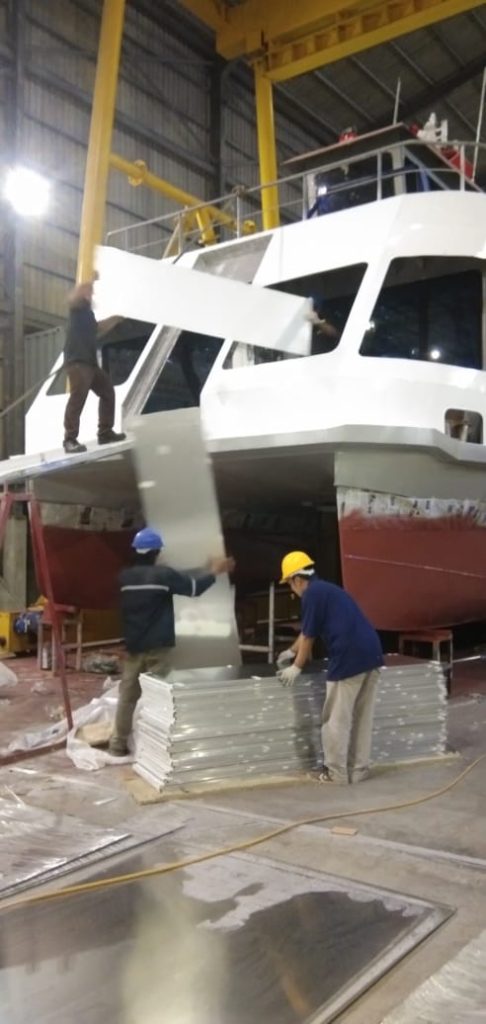

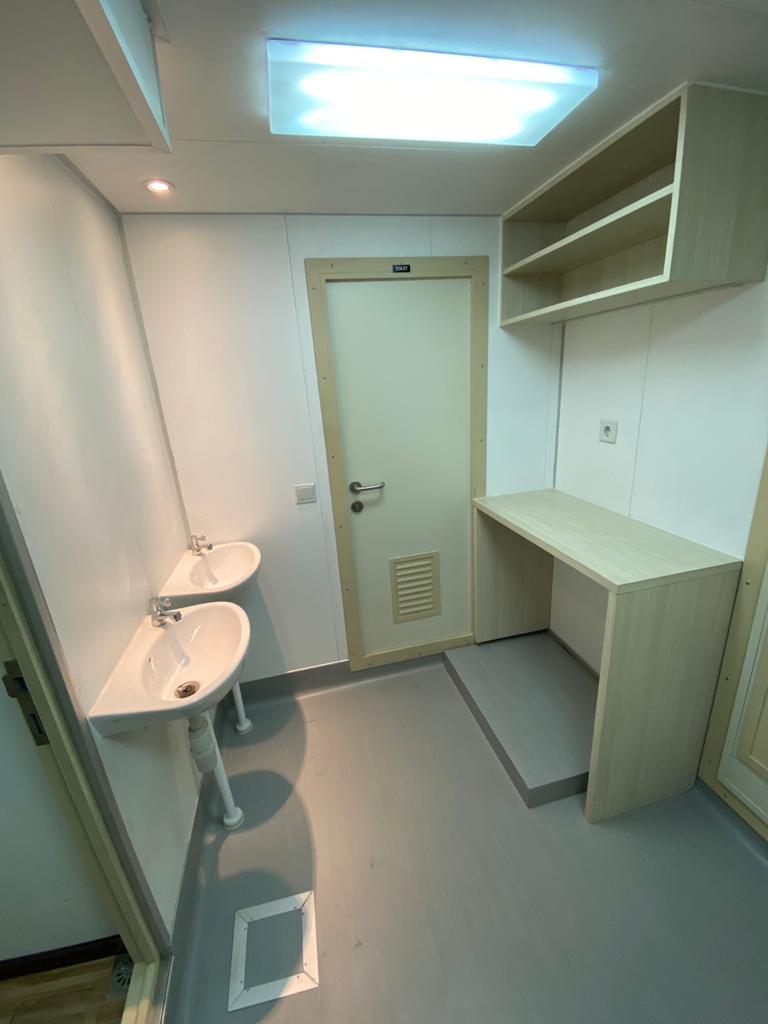


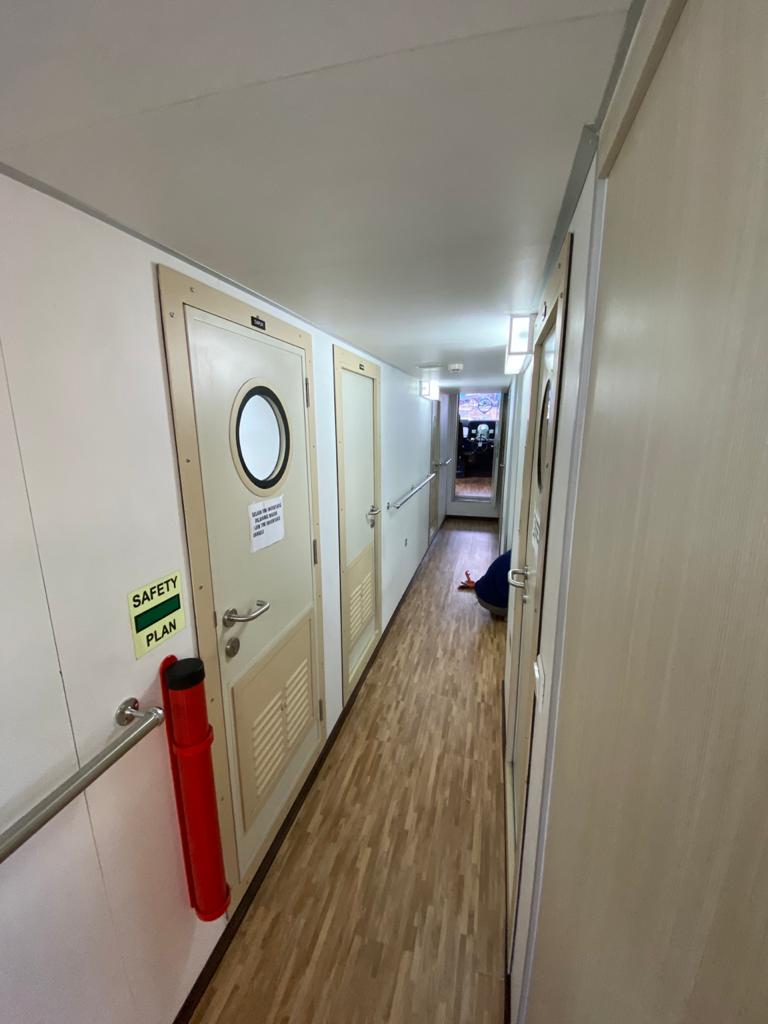
These water buses navigate intricate canals and face unique challenges: constant exposure to saltwater, demanding weight restrictions due to shallow depths and historic foundations, and the need for durability against wave impact and docking stresses. Enter advanced honeycomb panel engineering – a technology increasingly vital for building the next generation of efficient, sustainable, and resilient vaporetti.
The Core Advantage: Lightweight Strength
Traditional marine construction often uses solid fiberglass or metal, which can be heavy. Honeycomb panels, however, offer a revolutionary alternative. Their structure mimics a natural beehive: a lightweight core (typically aluminum or Nomex paper) is sandwiched between two strong, thin face sheets (often aluminum or composite materials like fiberglass or carbon fiber). This design achieves exceptional stiffness-to-weight and strength-to-weight ratios. For vaporetti, this translates directly into:
- Significant Weight Reduction: Lighter vessels require less powerful engines to achieve the same speed, leading to substantial fuel savings and reduced emissions – a critical factor in preserving Venice’s delicate environment and air quality. Reduced weight also minimizes draft, allowing safer navigation in shallower canals and reducing wake damage to historic structures.
- Enhanced Structural Rigidity: Despite their lightness, honeycomb panels provide remarkable rigidity. This is crucial for maintaining the hull’s shape and integrity under the dynamic loads experienced during operation (wave action, passenger movement, docking). A stiffer hull improves handling, reduces vibration and noise for passenger comfort, and enhances overall durability.
- Improved Buoyancy and Stability: The inherent properties of the honeycomb core contribute positively to buoyancy calculations. The panels’ stiffness also helps distribute loads evenly, promoting vessel stability.
Beyond Weight: Performance and Durability
Honeycomb engineering offers further benefits for vaporetto operations:
- Impact and Damage Resistance: The sandwich structure absorbs and dissipates energy effectively. While not indestructible, honeycomb panels can offer better resistance to impacts (e.g., minor collisions, debris) compared to some solid laminates of equivalent weight. Damage is also often more localized and easier to repair.
- Thermal and Acoustic Insulation: The air trapped within the honeycomb cells provides inherent insulation properties. This helps regulate internal cabin temperatures more efficiently (reducing HVAC load) and dampens engine and water noise, improving passenger comfort significantly during journeys.
- Corrosion Resistance: When combined with corrosion-resistant face sheets (like treated aluminum or composites) and properly sealed, honeycomb structures offer excellent resistance to the harsh marine environment, extending the vessel’s operational lifespan and reducing maintenance costs.
- Design Flexibility: Honeycomb panels can be molded into complex curves essential for modern, efficient hull designs. This allows naval architects to optimize hydrodynamics for better fuel efficiency and smoother rides through Venice’s often choppy lagoon waters.
Engineering the Future of Venetian Transit
The integration of honeycomb panel technology represents a sophisticated engineering solution tailored to Venice’s specific needs. By prioritizing lightweight construction without compromising strength or durability, it directly addresses environmental concerns through fuel efficiency and reduced emissions. The enhanced performance, passenger comfort, and longevity it offers make honeycomb panels not just a material choice, but a cornerstone of sustainable and resilient vaporetto engineering. As Venice continues to seek solutions balancing modern mobility with the preservation of its unique heritage, advanced materials like honeycomb composites will undoubtedly play a central role in shaping the future of its essential waterborne public transport system.