
For years, Extruded Polystyrene (XPS) has been a go-to rigid foam insulation for countless construction projects. Its moisture resistance and compressive strength made it a reliable choice. However, for projects where maximum energy efficiency and building performance are the top priorities, a superior solution has emerged: Closed Cell High Density Polyurethane Foam. This advanced material surpasses XPS in two critical areas that directly impact a building’s energy consumption and comfort: thermal resistance (R-Value) and air sealing capabilities.
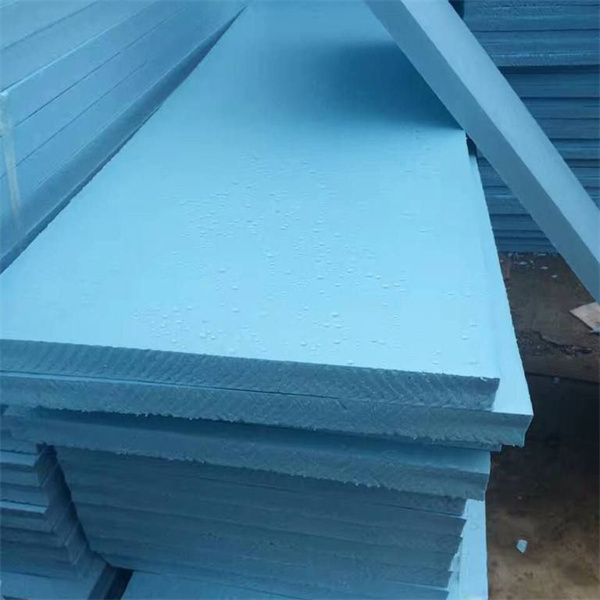
When comparing insulation materials, the R-Value is the primary metric. XPS provides a respectable R-5 per inch, a benchmark in the industry. However, Closed Cell High Density Polyurethane Foam raises the bar significantly, offering an impressive R-6 to R-7 per inch. This means that for the same installed thickness, polyurethane foam provides a 20-40% higher thermal resistance. This superior R-value translates directly into thinner wall assemblies to achieve the same code requirements, or significantly better energy performance for a given building envelope depth. In an era of rising energy costs and stringent building codes, this performance advantage is a game-changer for architects and engineers designing high-efficiency buildings.
Perhaps the most significant limitation of XPS is its installation method. As board stock, it is mechanically fastened or adhered, leaving countless seams between each panel. These seams become hidden pathways for air leakage, creating drafts, facilitating moisture migration, and undermining the overall thermal performance of the building envelope. This is where Closed Cell High Density Polyurethane Foam demonstrates a fundamental advantage.
When spray-applied, this foam expands on-site, filling every crack, gap, and irregularity. It forms a seamless, monolithic layer that is fully adhered to the substrate. This process effectively creates a world-class air barrier simultaneously with the insulation layer. The result is a dramatic reduction in air infiltration, which is responsible for a substantial portion of a building’s energy loss. By eliminating the thermal bridges present at the seams of XPS boards, closed cell polyurethane ensures consistent performance across the entire surface.
While XPS remains a viable product for certain applications, the choice for uncompromising performance is clear. Closed Cell High Density Polyurethane Foam delivers a higher R-value per inch and creates a superior air barrier in a single application. For new construction or retrofits aiming for Passive House, LEED, or Net-Zero ready standards, this material provides the integrated solution needed to achieve ambitious energy goals, ensuring superior comfort and lower utility bills for the life of the building.