
In the world of advanced insulation and structural materials, few options offer the combination of performance, versatility, and durability found in high density closed cell polyurethane foam. This engineered polymer is not merely an insulation product; it is a comprehensive solution for some of the most challenging applications across industries, from commercial construction and industrial facilities to marine and transportation. Its unique closed-cell structure, created during a precise chemical reaction, is the key to its exceptional properties, setting it apart from other rigid foams like XPS or EPS.
This article explores the science, benefits, and diverse applications of high density closed cell polyurethane foam, providing a clear understanding of why it is the material of choice for engineers and builders who cannot compromise on performance.
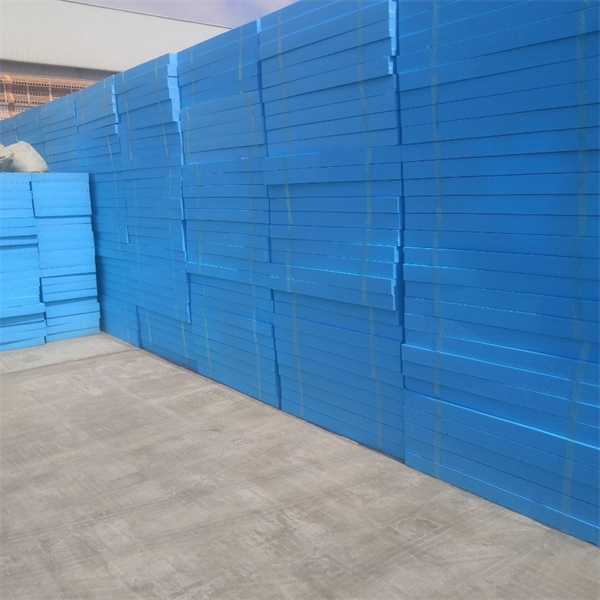
The Science Behind the Performance: What Makes It Unique
The superiority of high density closed cell polyurethane foam begins at the molecular level. Unlike open-cell foams that have interconnected air pockets, the closed-cell structure consists of millions of discrete, sealed gas-filled cells.
- The Reaction: It is typically formed by the reaction of two liquid components—isocyanate and polyol. When these components are mixed and sprayed or poured, they expand and cure rapidly, forming a rigid, solid foam.
- The “High Density” Advantage: While standard polyurethane foams have a density of around 2 lbs/ft³, high-density variants can range from 6 to 30 lbs/ft³ or more. This increased density directly translates to greater structural rigidity, superior compressive strength, and enhanced durability against physical impact and abrasion.
This robust cellular architecture is responsible for the foam’s standout characteristics, which include a high R-value, exceptional strength, and unparalleled moisture resistance.
Key Properties and Engineering Benefits
The properties of high density closed cell polyurethane foam make it a multi-functional solution, often replacing several materials in a single application.
- Exceptional Thermal Resistance (High R-Value):
With one of the highest R-values per inch (typically R-6 to R-7), it provides an extremely efficient thermal barrier. This makes it ideal for applications where space is limited but high insulation performance is critical, such as on refrigerated trucks, commercial roofs, and behind building facade systems. - Superior Moisture and Vapor Barrier:
The sealed cell structure prevents liquid water and water vapor from penetrating the foam. This inherent property eliminates the need for a separate vapor barrier in many applications and ensures that the insulation’s R-value does not degrade in humid or wet environments, protecting underlying structures from rot and corrosion. - High Compressive and Structural Strength:
The combination of high density and a rigid cell structure gives this foam remarkable compressive strength. It can withstand significant loads, making it suitable for applications like walking decks, trailer floors, and even as a core material in structural insulated panels (SIPs). It effectively adheres to and reinforces the substrates to which it is applied. - Air Sealing and Adhesive Properties:
When spray-applied, high density closed cell polyurethane foam expands to fill every crack, gap, and void. This creates a seamless, monolithic air barrier that eliminates drafts and improves a building’s overall air tightness, which is crucial for energy efficiency. Its excellent adhesive qualities also help to bond and integrate building assemblies.
Diverse Industrial and Commercial Applications
The unique blend of properties makes high density closed cell polyurethane foam applicable in a wide range of demanding scenarios.
- Commercial Roofing: Spray-applied directly onto roof decks, it creates a seamless, waterproof, and fully insulated layer that resists ponding water and thermal cycling, extending the roof’s lifespan.
- Cold Storage and Refrigerated Transport: Its high R-value per inch and effective vapor barrier properties are essential for maintaining stable temperatures in freezers, coolers, and the trailers that transport perishable goods.
- Marine and Buoyancy Applications: The foam’s closed-cell structure makes it impervious to water, providing permanent flotation for docks, pontoons, and boat hulls without absorbing water and adding weight.
- Industrial Insulation and Pipe Lagging: It is used to insulate tanks and pipes in refineries and chemical plants, where both thermal efficiency and durability are paramount.
- Construction and Wall Insulation: In building envelopes, it provides a “all-in-one” solution of insulation, air sealing, and a vapor retarder, particularly in below-grade walls, crawl spaces, and cathedral ceilings.
A Comparative Advantage: High Density Polyurethane vs. XPS
While XPS is a excellent rigid foam, high density closed cell polyurethane foam offers distinct advantages:
- Higher R-Value: It provides significantly more insulating power per inch of thickness.
- Seamless Application: Spray-applied polyurethane creates a continuous layer without joints, eliminating thermal bridging at seams.
- Adhesive Strength: It bonds tenaciously to most substrates, becoming part of the structure itself, whereas XPS is mechanically fastened.
Conclusion: The Smart Investment for Long-Term Performance
High density closed cell polyurethane foam is more than just an insulator; it is a high-performance engineering material that solves multiple challenges simultaneously. Its ability to provide superior thermal insulation, act as a structural element, resist moisture, and seal against air leakage makes it an exceptionally cost-effective choice over the life cycle of a project. For architects, engineers, and builders focused on durability, energy efficiency, and uncompromising quality, specifying high density closed cell polyurethane foam is a decision that delivers lasting value and performance.