
Introduction to Sandwich Panels
Sandwich panels have revolutionized the construction and industrial sectors due to their lightweight, durable, and energy-efficient properties. These panels consist of three layers: two outer facings (typically metal, fiberglass, or wood) and an insulating core (such as polyurethane, polystyrene, or mineral wool). This unique structure provides excellent thermal and acoustic insulation, making them ideal for various applications.
With increasing demand for sustainable and cost-effective building materials, sandwich panels have gained significant popularity in commercial, residential, and industrial projects.
Types of Sandwich Panels
1. Metal-Faced Sandwich Panels
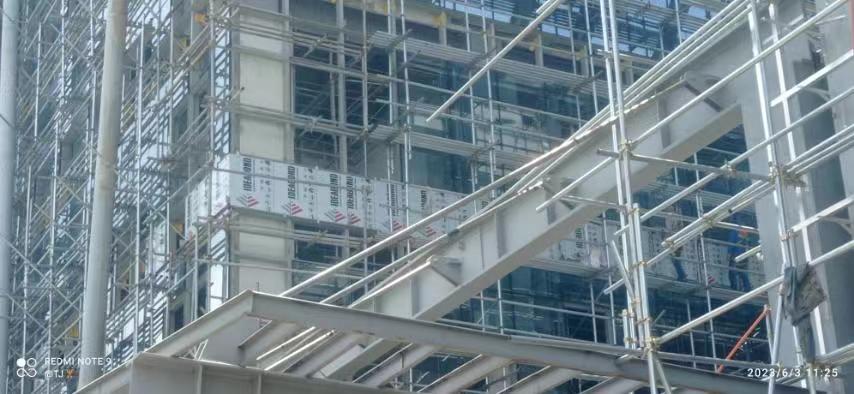
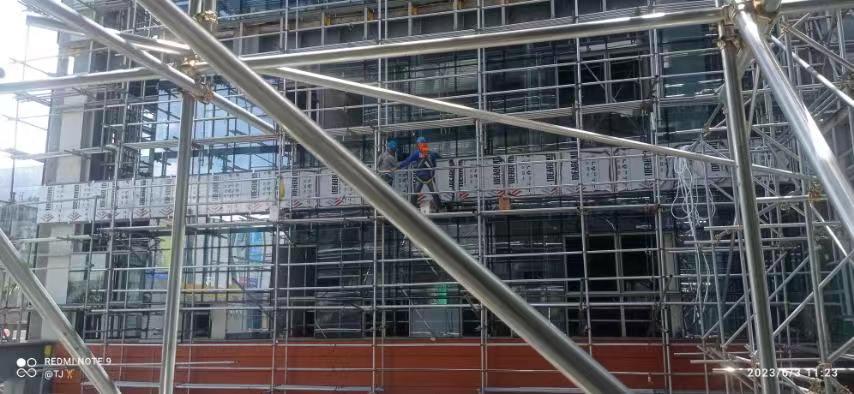
Metal-faced sandwich panels are widely used in industrial and commercial buildings. They offer high strength, fire resistance, and weatherproofing. Common metals used include:
- Aluminum – Lightweight and corrosion-resistant.
- Steel – Durable and ideal for heavy-duty structures.
2. Fiberglass Sandwich Panels
Fiberglass panels are known for their flexibility and resistance to extreme temperatures. They are commonly used in aerospace, marine, and automotive industries.
3. Wood-Based Sandwich Panels
These panels are eco-friendly and often used in modular homes and prefabricated structures. They provide natural insulation and aesthetic appeal.
4. Polyurethane (PUR) & Polyisocyanurate (PIR) Core Panels
PUR and PIR sandwich panels are highly efficient in thermal insulation, making them perfect for cold storage facilities, warehouses, and energy-efficient buildings.

Key Benefits of Sandwich Panels
1. Superior Thermal Insulation
Sandwich panels significantly reduce energy consumption by maintaining optimal indoor temperatures. This makes them a top choice for green buildings and LEED-certified projects.
2. Lightweight Yet Strong
Despite their lightweight nature, sandwich panels offer impressive structural integrity, reducing the need for additional support frameworks.
3. Quick and Easy Installation
Their modular design allows for fast assembly, cutting construction time by up to 50% compared to traditional methods.
4. Fire Resistance & Safety
Many sandwich panels come with fire-retardant cores, enhancing building safety and compliance with fire regulations.
5. Cost-Effective Solution
Due to reduced labor and material costs, sandwich panels are a budget-friendly alternative to conventional construction materials.
Popular Applications of Sandwich Panels
1. Industrial & Commercial Buildings
- Warehouses – Quick assembly and excellent insulation.
- Cold Storage Units – Maintains consistent temperatures.
- Factories & Workshops – Durable and low-maintenance.
2. Residential Construction
- Prefab Homes – Faster construction with energy efficiency.
- Roofing & Wall Cladding – Weather-resistant and aesthetically pleasing.
3. Transportation & Aerospace
- Truck & Trailer Bodies – Lightweight yet sturdy.
- Aircraft Interiors – High strength-to-weight ratio.
4. Clean Rooms & Hospitals
Sandwich panels with antimicrobial cores are used in sterile environments to maintain hygiene.
Emerging Trends in Sandwich Panel Technology
1. Eco-Friendly & Recyclable Materials
With sustainability becoming a priority, manufacturers are developing sandwich panels using recycled and biodegradable materials.
2. Smart Sandwich Panels
Integration with IoT sensors allows real-time monitoring of insulation efficiency and structural health.
3. 3D-Printed Sandwich Panels
Advancements in 3D printing enable customized panel designs for complex architectural projects.
4. Enhanced Fireproofing Solutions
New core materials with improved fire resistance are being introduced to meet stricter safety standards.
How to Choose the Right Sandwich Panel?
When selecting sandwich panels, consider:
- Insulation Needs (Thermal, Acoustic, Fireproof)
- Environmental Conditions (Humidity, Temperature Extremes)
- Budget & Longevity
- Certifications & Compliance (LEED, ISO, ASTM)
Conclusion: Why Sandwich Panels Are the Future?
Sandwich panels offer unmatched versatility, efficiency, and sustainability, making them a cornerstone of modern construction. As technology advances, their applications will expand further into smart buildings, renewable energy projects, and beyond.
For architects, builders, and industrial developers, sandwich panels are not just an option—they are the future.