
For distributors, wholesalers, and large construction companies, choosing the right material supplier is not simply about price—it is a long-term strategic decision that affects project reliability, operational efficiency, brand reputation, and profitability. As a specialized Polyurethane High Density Foam producer, our manufacturing philosophy is built on consistency, technical accuracy, and predictable performance. In industrial construction, insulation engineering, composite panel production, and structural reinforcement, Polyurethane High Density Foam has become a core material that supports the durability and thermal stability of modern buildings and industrial systems.
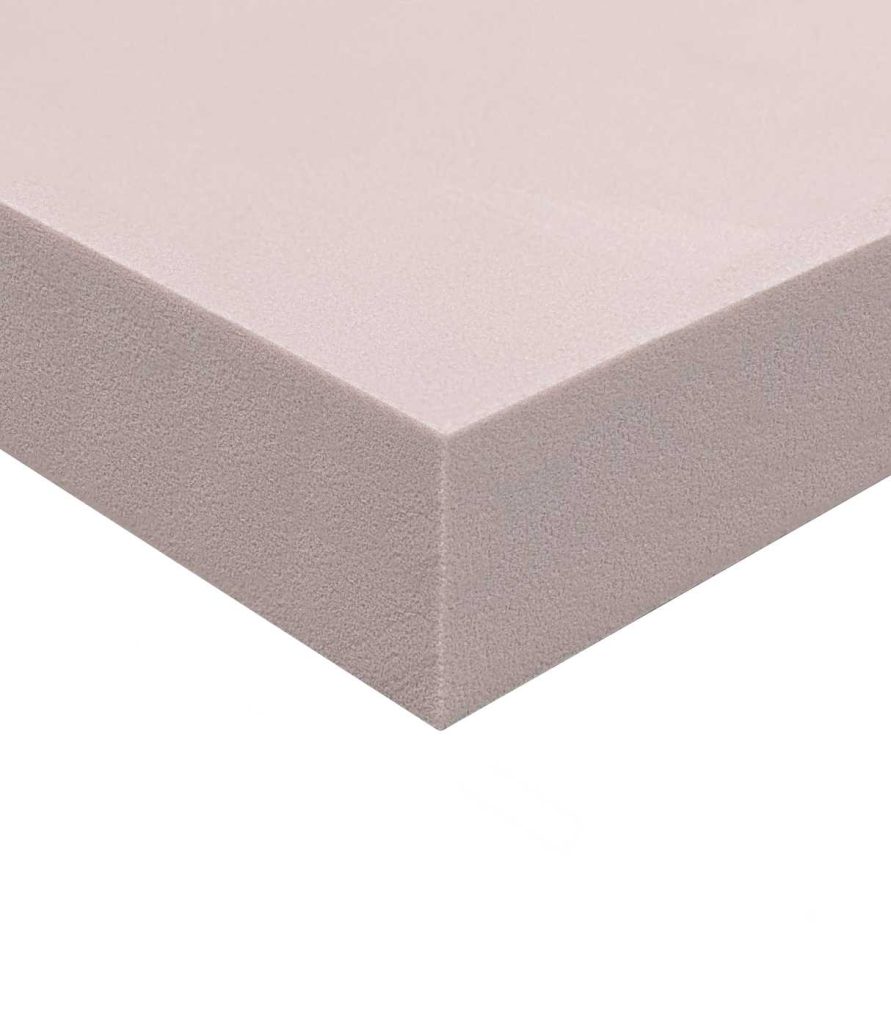
This article provides a deep, professional overview for decision-makers seeking dependable long-term supply partners. It covers material specifications, production stability, industrial applications, cost advantages, and how a high-quality upstream manufacturer can strengthen your competitiveness over the next decade.
1. Why Polyurethane High Density Foam Matters in Modern Engineering
Polyurethane High Density Foam has evolved from being a niche insulation option to becoming one of the most reliable high-performance materials across construction, marine, transportation, and energy industries. Its high compressive strength, closed-cell structure, and thermal efficiency make it indispensable in projects requiring structural and environmental stability.
Key properties include:
· High compressive strength
Enables use in load-bearing panels, industrial flooring substrates, wall systems, and heavy-duty sandwich structures.
· Low thermal conductivity
Ideal for energy-efficient buildings, cold-chain logistics, and temperature-sensitive industrial applications.
· Dimensional stability
Resists deformation under heat, humidity, and mechanical pressure—critical for long-term installation reliability.
· Closed-cell waterproof characteristics
Prevents moisture intrusion, mold development, and long-term degradation.
· Lightweight yet high rigidity
Significantly reduces structural load while maintaining mechanical integrity.
For construction companies, distributors, and composite panel manufacturers, Polyurethane High Density Foam ensures predictable performance with minimal maintenance cost, making it a future-proof material investment.

2. Manufacturing Philosophy: Consistency Over Volume
As a professional Polyurethane High Density Foam producer, our priority is not simply expanding output—it is delivering consistent mechanical and chemical properties that remain stable across all batches. Many buyers in the B2B market focus solely on initial price, but long-term partners understand the deeper value of controlled production processes.
How we ensure consistency:
1. Precision raw-material formulation
We use strictly calibrated ratios of polyols, isocyanates, blowing agents, catalysts, and flame-retardant additives. This ensures our foam density remains uniform, ranging from 80–500 kg/m³, depending on customer specifications.
2. Automated high-pressure dispensing systems
These guarantee uniform cell structure, consistent density, and low defect rates—critical for composite panel producers and industrial fabricators.
3. Continuous quality monitoring
Every production batch undergoes:
- Density testing
- Compressive strength testing
- Dimensional stability test
- Water absorption test
- Thermal conductivity measurement
This level of control reduces product variation, allowing distributors and construction companies to rely on predictable performance and minimal return rates.
4. Long-form curing and controlled humidity storage
We maintain optimal curing conditions to stabilize mechanical properties before shipment, ensuring our Polyurethane High Density Foam arrives ready for immediate processing.
3. Technical Specifications Tailored for B2B Industrial Buyers
Our production covers a wide range of Polyurethane High Density Foam grades suitable for diverse engineering applications. Distributors, wholesalers, and construction groups can select customized specifications to meet their regional market demands.
Standard Specifications Available
| Specification | Range / Options |
|---|---|
| Density | 80–500 kg/m³ |
| Compressive Strength | 0.5–2.5 MPa (depending on density) |
| Thermal Conductivity | 0.020–0.030 W/m·K |
| Water Absorption | <2% |
| Cell Structure | 90–95% closed-cell |
| Fire Retardant Options | B1 / B2 / FM-certified formulations |
| Thickness | 5 mm to 500 mm |
| Formats | Blocks, sheets, panels, CNC-cut parts |
Custom Formulations Available
- High-density structural foam (marine, rail, wind energy)
- Thermal insulation foam (HVAC, cold rooms, building envelopes)
- Specialty CNC machining grade
- Fire-retardant and halogen-free grades
- Lightweight construction panel core material
This allows distributors and large construction companies to cover multiple market segments with one stable supply chain.
4. Profitability for Wholesalers & Distributors
For business decision-makers, the selection of a Polyurethane High Density Foam supplier impacts not only material quality but also operational efficiency, margin stability, and brand scalability.
1. High Reorder Rate Products
Polyurethane High Density Foam is used in recurring demand industries:
- Composite panel manufacturing
- Construction insulation
- Prefabricated buildings
- Mining, marine, and industrial machinery
- Transportation engineering
Distributors benefit from dependable year-round sales volume.
2. Healthy Markup Range
In most global markets, Polyurethane High Density Foam allows a 20%–45% margin depending on:
- Material density
- Fire rating
- CNC precision requirements
- Packaging formats
- Market exclusivity agreements
Higher-density specialty grades often offer premium margins.
3. Lower Inventory Risk
Because the foam has excellent dimensional stability and long shelf life, it is suitable for warehouse stock without performance degradation.
4. Custom Branding & OEM Services
We support:
- Private-label branding
- Custom packaging
- Density customization
- Special-size production
This offers distributors stronger differentiation and allows them to target niche industrial projects with higher value.
5. Strategic Value for Large Construction Companies
For construction contractors and engineering firms, Polyurethane High Density Foam contributes directly to project reliability and long-term operational cost savings.
1. Reduced Maintenance and Repair Costs
Stable thermal performance minimizes building energy consumption over decades, while its mechanical stability prevents deformation and moisture-related failures.
2. Compatibility With Modern Construction Methods
Polyurethane High Density Foam is widely used in:
- Precast concrete systems
- Insulated sandwich panels
- Curtain wall insulation
- Industrial flooring reinforcement
- Roof insulation systems
- Modular construction
This ensures compatibility with global construction trends, including green buildings and net-zero energy building models.
3. Lower Structural Load on Buildings
Using lightweight, high-strength foam reduces structural steel consumption and allows architects to optimize building load paths.
4. Accelerated Project Timelines
Our foam is easy to cut, shape, transport, and install—reducing labor time while ensuring precision.
5. Compliance With Global Safety Standards
For international contractors, we provide formulations aligned with:
- EN / ISO
- ASTM
- FM fire standards
- CE requirements
- ROHS and REACH environmental requirements
This minimizes the risk of project delays due to material compliance issues.
6. Why Long-Term Partners Trust Our Manufacturing
1. Secure Production Capacity
With multi-line production and automated batching systems, we ensure stable supply even during peak industry seasons.
2. Transparent Technical Support
We offer complete engineering documentation:
- MSDS
- Technical data sheets
- Installation guides
- Fire-rating reports
- Density & compressive strength test reports
This enables distributors and construction companies to bid on large-scale projects with confidence.
3. Long-Term Cost Advantage
Consistent quality reduces scrap rate, on-site failures, and warranty costs—helping partners protect their brand reputation.
4. Global Export Expertise
We support:
- Full-container loading planning
- Packaging stability testing
- Customs documentation
- Regional compliance requirements
This ensures smooth delivery to European, Middle Eastern, American, and Southeast Asian markets.
7. Future Development: Why Polyurethane High Density Foam Will Remain in Demand
The next decade of construction and industrial manufacturing will continue emphasizing sustainability, thermal efficiency, lightweight structures, and cost-effective materials.
Polyurethane High Density Foam aligns with all major industry trends:
· Growth of pre-fabricated and modular construction
Foam-core sandwich panels will continue expanding in residential, industrial, and commercial projects.
· Global energy-efficiency regulations
More countries introduce stricter insulation requirements.
· Sustainable replacement for wood and metal
Architects and engineers increasingly specify lightweight PU foam solutions.
· Rapid growth in EV, marine, and rail sectors
Lightweight composite structures require stable, rigid core materials.
· Rise in automated CNC fabrication
Our Polyurethane High Density Foam blocks and sheets offer excellent machinability.
Distributors and construction companies partnering with a stable upstream factory position themselves to capture long-term market growth.
Conclusion
As a dedicated Polyurethane High Density Foam producer, we focus on delivering more than just material—we deliver industrial reliability, long-term profitability, and technical trust. For wholesalers, distributors, and major construction groups, selecting the right foam manufacturer can determine your long-term competitiveness.
With stable specifications, consistent density, high mechanical performance, and comprehensive OEM support, our Polyurethane High Density Foam solutions empower partners to secure higher-value projects, reduce operational risks, and maintain durable growth in the evolving global construction and industrial markets.