
In manufacturing, construction, transportation, architecture, and industrial design, the demand for durable, lightweight, and versatile materials continues to grow. Among the many engineered materials available today, high density polyurethane has become one of the most reliable options for delivering strength, stability, and long-term performance across a wide range of applications. Whether you’re working on insulation, structural reinforcement, protective components, or precision tooling, high density polyurethane offers engineering advantages that are difficult to match.
This article explores what high density polyurethane is, how it is produced, its most important performance characteristics, and the industries that benefit most from its use. If you’re searching for a material that can withstand pressure, resist moisture, maintain shape, and perform reliably in harsh environments, understanding high density polyurethane may give you the solution you need.
What Is High Density Polyurethane?
High density polyurethane is a rigid, closed-cell polyurethane foam created through a controlled chemical reaction between polyols and isocyanates. Unlike soft polyurethane foams used in bedding, furniture cushions, or packaging, high density polyurethane is engineered to achieve a much higher compressive strength and structural integrity.
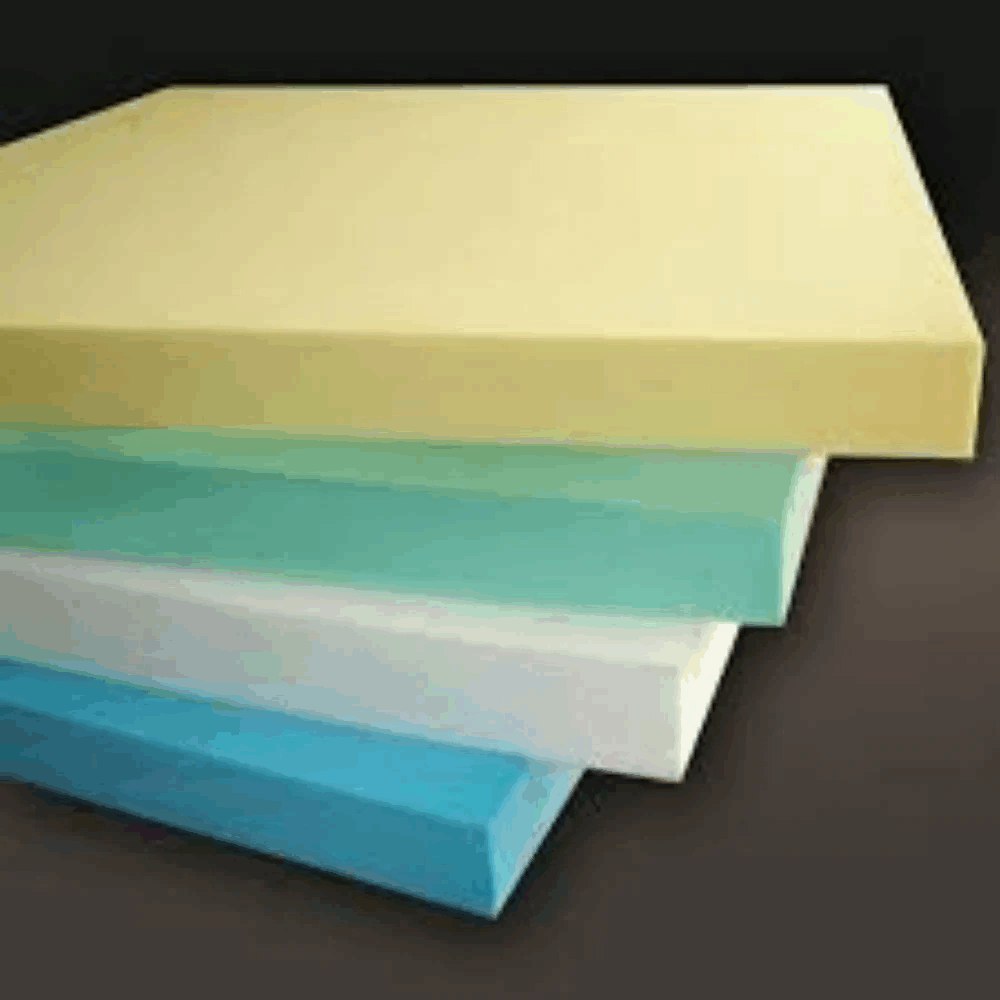
The density of polyurethane foam is one of its defining characteristics. Low-density foam is soft and flexible, while high density polyurethane typically ranges from 150 kg/m³ to over 700 kg/m³, depending on the application. As density increases, the foam becomes harder, stronger, and more suitable for industrial uses.
High density polyurethane is often chosen as a lightweight alternative to wood, plastic, rubber, or metal—especially in cases where moisture resistance, dimensional stability, or ease of machining is important.
Key Performance Advantages of High Density Polyurethane
High density polyurethane stands out because of its combination of mechanical strength and adaptability. Below are the main features that make it valuable across multiple industries.
1. Excellent Strength-to-Weight Ratio
Despite being lightweight, high density polyurethane has impressive compressive strength. This makes it ideal for load-bearing structures, composite panels, aerospace components, and industrial tooling. Its ability to remain strong without adding unnecessary weight is a major advantage for transportation and aviation applications.
2. Outstanding Moisture and Chemical Resistance
Unlike wood or traditional plastics, high density polyurethane does not absorb water, swell, or rot. Its closed-cell structure prevents moisture penetration, making it suitable for marine parts, outdoor environments, insulation, and corrosive industrial settings. It also resists oils, solvents, and many common chemicals.
3. Dimensional Stability
High density polyurethane maintains its shape even under temperature changes, pressure fluctuations, and long-term use. This dimensional stability is crucial in mold making, prototypes, structural panels, and CNC-machined parts that require consistent precision.
4. Easy to Machine and Fabricate
One of the biggest advantages of high density polyurethane is how easily it can be milled, carved, drilled, sanded, and shaped using standard woodworking or machining tools. It offers a smooth, uniform surface that can be coated, painted, laminated, or bonded with various materials. Designers and engineers appreciate its flexibility for rapid prototyping or custom fabrication.
5. Excellent Thermal and Acoustic Insulation
Because polyurethane foam has a closed-cell structure, it naturally offers high thermal resistance. High density polyurethane can be used to enhance energy efficiency in building insulation, cold-storage facilities, refrigerated trucks, or HVAC systems. It also provides good acoustic insulation, often used in soundproofing applications.
6. Long-Term Durability
High density polyurethane does not corrode, rust, or degrade easily. It can withstand harsh weather, vibration, mechanical pressure, and long-term UV exposure (when coated). As a result, it lasts much longer than many traditional materials, lowering replacement and maintenance costs.
Common Applications of High Density Polyurethane
The versatility of high density polyurethane makes it a preferred material in dozens of industries. Below are some of the most popular application areas.
1. Construction and Building Materials
High density polyurethane is widely used in modern construction due to its durability and insulation performance.
- Exterior and interior decorative panels
- Architectural moldings and trim
- Insulation boards and wall systems
- Structural reinforcement blocks
- Concrete form liners
Its resistance to moisture and insects makes it an excellent alternative to wood in environments exposed to rain or humidity.
2. Automotive and Transportation Industry
Manufacturers often rely on high density polyurethane for lightweight structural components, including:
- Interior panels and dashboards
- Seating structures
- Energy-absorbing components
- Load-bearing inserts
- Vibration-dampening parts
The material’s strength, machinability, and thermal stability improve safety and reduce overall vehicle weight.
3. Aerospace and Drone Manufacturing
Because weight reduction is critical in aerospace engineering, high density polyurethane is used in:
- Aircraft interior panels
- Structural foam cores for composite materials
- Drone body components
- Prototype parts for aerodynamic testing
Its dimensional stability and high mechanical strength make it ideal for demanding aerospace conditions.
4. Marine and Outdoor Applications
High density polyurethane does not absorb water, which makes it perfect for marine environments:
- Boat hull cores
- Buoyancy modules
- Dock and pier structures
- Waterproof outdoor components
It offers long-lasting performance even when submerged or exposed to saltwater.
5. Industrial Tooling and Prototyping
Toolmakers and engineers use high density polyurethane for:
- CNC milling blocks
- Molds and casting patterns
- Fixtures and jigs
- Rapid prototypes
- Vacuum forming molds
Its ease of machining significantly reduces production time and cost during development.
6. Packaging and Protective Equipment
When high-value equipment or sensitive instrumentation needs protection, high density polyurethane provides reliable cushioning and impact resistance.
- Custom-cut protective foam inserts
- Reusable transport containers
- Shock-absorbing industrial pads
Because it can be precisely shaped, it is ideal for high-end protective packaging.
How High Density Polyurethane Compares to Other Materials
High Density Polyurethane vs. Wood
- Won’t rot, warp, or absorb water
- More dimensionally stable
- Usually lighter and easier to machine
- Does not split or crack
High density polyurethane is often chosen as a wood replacement in outdoor or moisture-heavy areas.
High Density Polyurethane vs. Plastic
- Better structural strength
- More temperature resistant
- Easier to shape and machine
- More consistent performance under load
While plastic is cheap, high density polyurethane offers better engineering performance.
High Density Polyurethane vs. Metal
- Much lighter
- Won’t rust or corrode
- Easier to fabricate
- Less expensive for many applications
Though metal has higher ultimate strength, high density polyurethane is the better choice when weight reduction and manufacturing speed matter.
Why Manufacturers Choose High Density Polyurethane
Companies across multiple industries prefer using high density polyurethane because it helps enhance product quality while reducing overall manufacturing costs. Its combination of strength, machinability, and durability gives engineers more freedom to design precisely what they need without worrying about corrosion or water damage.
From a sustainability perspective, high density polyurethane also improves building energy efficiency, reduces material waste during production, and extends the lifespan of industrial and commercial products.
As new technologies and composite systems continue to evolve, high density polyurethane will likely remain one of the most important engineered materials in modern manufacturing.
Conclusion
If you’re searching for a material that balances strength, reliability, and adaptability, high density polyurethane is one of the best options available. Its high compressive strength, stable structure, moisture resistance, and ease of machining make it an ideal choice for construction, aerospace, marine, automotive, industrial tooling, and countless other applications. As industries continue to demand lighter, stronger, and more durable solutions, high density polyurethane will continue to play a vital role in shaping the future of engineering and design.