
In the marine industry, choosing the right construction material directly affects vessel weight, durability, maintenance cost, safety, and long-term performance. Two of the most common options for ship interiors, yacht furniture, cabin partitions, decks, and wall systems are Marine Sandwich Panels and Marine Plywood.
Both materials are widely used, but they serve different engineering priorities. Marine plywood has been a traditional solution for decades, while marine sandwich panels represent the lightweight composite direction of modern shipbuilding.
This article compares both materials from a practical and technical perspective.
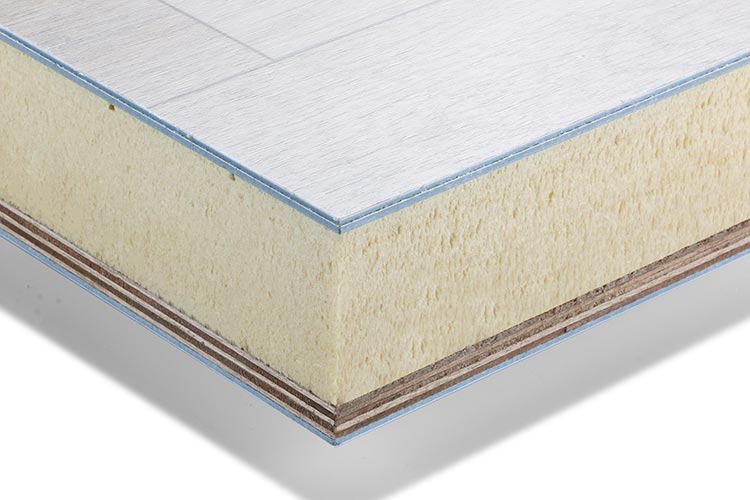
What Is a Marine Sandwich Panel?
A Marine Sandwich Panel is a composite board made of:
- Outer skins: FRP, aluminum, steel, HPL, fiberglass, etc.
- Core material: PVC foam, PET foam, honeycomb, balsa, XPS, PU, etc.
This three-layer structure delivers high stiffness with low weight, making it ideal for marine applications where reducing mass improves fuel efficiency and speed.
Typical applications:
- Cabin walls
- Ceilings
- Yacht interiors
- Ferry partitions
- Offshore accommodation modules
- Wet room systems
- Lightweight flooring systems
What Is Marine Plywood?
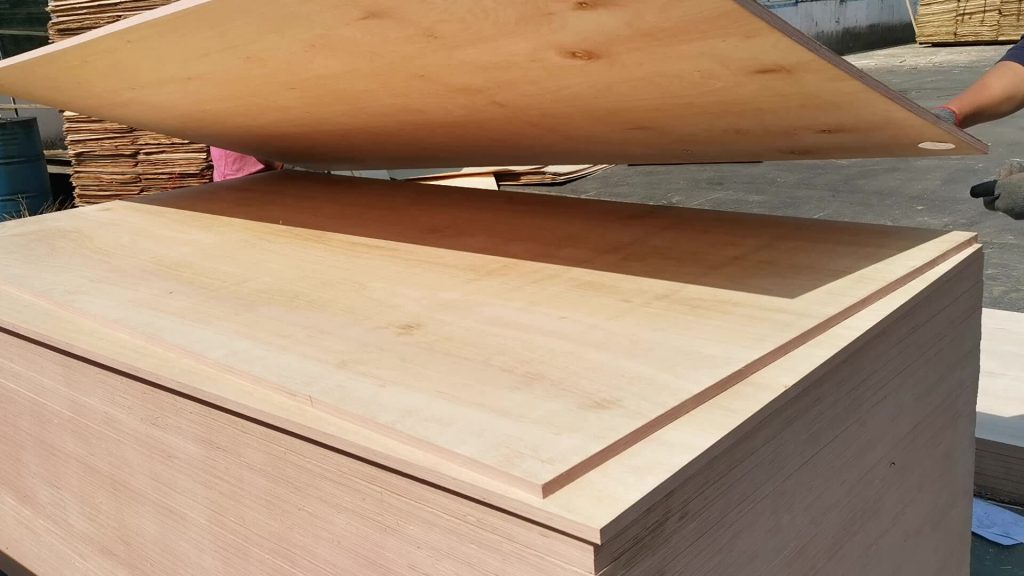
Marine Plywood is a high-grade plywood manufactured using waterproof glue and selected hardwood veneers. It is designed to withstand humid and wet environments better than standard plywood.
Typical applications:
- Boat decking
- Furniture
- Interior cabinetry
- Bulkheads
- Traditional wooden boat structures
- DIY marine repairs
Quick Comparison Table
| Feature | Marine Sandwich Panel | Marine Plywood |
|---|---|---|
| Weight | Very light | Heavy |
| Strength-to-weight ratio | Excellent | Moderate |
| Water resistance | Excellent | Good |
| Rot resistance | Excellent | Limited over time |
| Fire rating options | Available | Limited |
| Acoustic insulation | Good | Moderate |
| Thermal insulation | Excellent | Low |
| Installation speed | Fast | Moderate |
| Maintenance | Low | Medium to high |
| Cost | Higher initial cost | Lower upfront cost |
| Lifespan | Long | Moderate |
| Customization | High | Moderate |
1. Weight Comparison
Weight is one of the biggest reasons marine builders switch to sandwich panels.
A sandwich panel uses a lightweight core instead of solid wood mass. This can reduce total structure weight significantly.
Why it matters:
- Better fuel economy
- Higher speed
- Lower center of gravity
- Easier handling during installation
- Higher payload capacity
Marine plywood is much heavier, especially in thicker structural grades.
Winner: Marine Sandwich Panel
2. Water and Moisture Resistance
Marine plywood is water-resistant, not fully waterproof forever. If edges are exposed or sealing fails, moisture can penetrate, causing:
- Swelling
- Delamination
- Mold
- Rot over time
Marine sandwich panels with foam or honeycomb cores and composite skins perform better in wet conditions.
Best for:
- Bathrooms
- Galleys
- Exterior service zones
- High-humidity cabins
Winner: Marine Sandwich Panel
3. Structural Strength
Marine plywood has excellent screw holding capacity and good compressive performance. It remains useful for cabinetry, furniture, and traditional marine carpentry.
Sandwich panels offer superior stiffness at lower weight because the skins carry tension/compression while the core stabilizes spacing.
In practice:
- Need rigidity with low mass → sandwich panel
- Need screw fastening and woodworking familiarity → plywood
Winner: Depends on application
4. Fire Safety
Modern commercial vessels often require IMO / MED / FTP Code compliance.
Marine sandwich panels can be engineered with fire-rated skins and mineral/non-combustible cores to meet regulations.
Marine plywood generally requires coatings or treatment and may still have limitations.
Winner: Marine Sandwich Panel
5. Thermal and Acoustic Performance
Foam-core sandwich panels naturally provide insulation benefits.
This helps reduce:
- Cabin noise
- Engine vibration transfer
- HVAC energy loss
- Condensation risk
Plywood has limited insulation value.
Winner: Marine Sandwich Panel
6. Ease of Fabrication
Marine plywood is easy to cut, screw, route, sand, and assemble with common woodworking tools.
Many boatyards prefer it for one-off builds or repairs.
Sandwich panels may require specialized cutting methods, inserts, adhesives, and edge finishing depending on skin type.
Winner: Marine Plywood
7. Long-Term Maintenance
Marine plywood may need:
- Repainting
- Resealing edges
- Moisture inspection
- Replacement after aging
Marine sandwich panels generally need less maintenance because they do not rot like wood.
Winner: Marine Sandwich Panel
8. Cost Comparison
Upfront Cost
Marine plywood is usually cheaper initially.
Lifecycle Cost
Sandwich panels often win over time due to:
- Lower fuel consumption
- Reduced maintenance
- Longer service life
- Faster installation
Winner:
- Lowest purchase cost → Marine Plywood
- Best total ownership cost → Marine Sandwich Panel
Best Use Cases
Choose Marine Sandwich Panel If You Need:
- Lightweight vessel design
- High-speed ferries
- Luxury yachts
- Cruise interiors
- Fire-rated modules
- Wet area walls
- Offshore accommodation units
- Premium modern construction
Choose Marine Plywood If You Need:
- Budget-friendly projects
- DIY boat repair
- Traditional woodworking
- Furniture and cabinetry
- Easy machining onsite
- Small craft construction
For Yacht Builders
Luxury yacht manufacturers increasingly prefer sandwich panels because they allow:
- Weight reduction
- Better finish surfaces
- Hidden systems integration
- Noise reduction
- Premium interiors
For Commercial Ships
Passenger vessels and offshore projects prioritize:
- Fire compliance
- Modular installation
- Hygiene surfaces
- Durability
This often favors sandwich panel systems.
Final Verdict
There is no universal winner—only the right choice for the mission.
If your priority is modern performance, light weight, insulation, fire safety, and long-term value, choose Marine Sandwich Panel.
If your priority is lower upfront cost, woodworking convenience, and traditional boatbuilding, choose Marine Plywood.
For many advanced marine projects today, sandwich panels are replacing plywood in non-structural and semi-structural applications.