
The adoption of PVC Foam Core Sandwich Panel technology represents a fundamental shift in boat building philosophy. It moves away from the concept of brute strength through mass and towards intelligent engineering that maximizes performance through optimal material distribution.
The evolution of boat building has been a story of continuous innovation, moving from traditional materials like solid wood and fiberglass to advanced composites that offer superior performance, efficiency, and durability. At the forefront of this revolution is the PVC Foam Core Sandwich Panel, a composite material that has redefined the standards for modern marine construction. This panel is not just an alternative; for many builders and designers, it has become the material of choice for constructing high-performance hulls, decks, and superstructures.
Understanding the PVC Foam Core Sandwich Structure
A PVC Foam Core Sandwich Panel is a classic example of composite engineering. It consists of three distinct layers:
- The Skins: These are the outer layers, typically made from fiberglass (often with epoxy or vinylester resin), carbon fiber, or sometimes aluminum. These skins are responsible for providing the primary tensile and compressive strength, handling the direct loads and impacts.
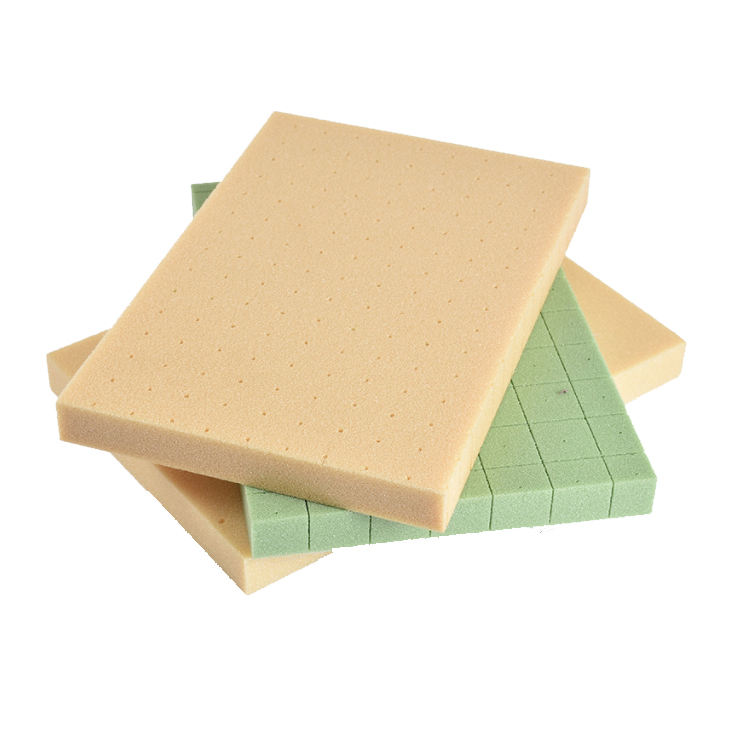
- The Core: This is the central layer, the heart of the panel, made from rigid PVC Foam Core. This closed-cell foam is exceptionally lightweight and acts as a continuous spacer between the two strong skins.
- The Adhesive Bond: A critical, often invisible component is the high-strength structural adhesive that bonds the skins to the core, creating a single, unified structural element.
The magic of this design lies in the principle of the “I-beam.” Just as an I-beam uses a vertical web to separate two flanges, dramatically increasing its stiffness with minimal weight, the PVC Foam Core separates the two structural skins. This separation drastically increases the panel’s stiffness and strength-to-weight ratio compared to a single, solid skin of the same weight.
Why PVC Foam Core is Ideal for the Marine Environment
Not all foam cores are created equal, and PVC foam has specific properties that make it exceptionally well-suited for boat building:
- High Strength-to-Weight Ratio: This is the primary advantage. Boats built with PVC Foam Core Sandwich Panels are significantly lighter than those built with solid fiberglass. This translates directly to better speed, improved fuel efficiency, greater payload capacity, and enhanced stability.
- Superior Stiffness and Impact Resistance: The sandwich construction creates an incredibly rigid structure that resists flexing and buckling under load. The closed-cell nature of the PVC Foam Core also provides excellent resistance to impact and fatigue, absorbing energy without cracking.
- Excellent Buoyancy and Impermeability: PVC Foam Core is closed-cell, meaning it will not absorb water. This makes it an excellent flotation material, ensuring that even if the outer skin is compromised, the core will not become waterlogged and compromise the vessel’s buoyancy or add significant weight.
- Chemical and Rot Resistance: PVC foam is highly resistant to osmosis, rot, chemicals, and fuels. It is unaffected by the harsh marine environment, including saltwater, UV exposure (once encapsulated), and common cleaning agents, ensuring long-term structural integrity.
- Thermal and Acoustic Insulation: The foam core provides a natural barrier to heat and sound, contributing to a more comfortable and quieter ride for passengers. This reduces engine noise and helps maintain a stable interior temperature.
- Ease of Fabrication: PVC Foam Core sheets are easy to cut, shape, and sand, allowing boat builders to create complex curves and shapes for hulls and components. It can be easily laminated using standard vacuum bagging or infusion techniques, ensuring a strong, consistent bond with the skin materials.
Applications in Boat Building
The versatility of PVC Foam Core Sandwich Panels means they are used across a wide range of marine vessels:
- High-Performance Yachts and Sailboats: Where weight savings directly correlate with speed and performance. Hulls, decks, and interior structures are commonly built using this method.
- Powerboats and Sportfishing Boats: The need for a stiff, lightweight hull that can handle the pounding of waves at high speeds makes sandwich construction ideal.
- Commercial and Military Craft: The durability, impact resistance, and low maintenance of these panels are critical for workboats and patrol vessels that require robust construction.
- Superyacht Components: Beyond hulls, these panels are used for bulkheads, furniture, and even flybridge structures to reduce top-side weight and improve stability.