
Introduction: The Rise of Large Panel Construction
In the modern building industry, the demand for speed, efficiency, and cost-effectiveness has never been greater. Urban populations are growing, affordable housing shortages persist, and the need for sustainable construction is becoming urgent. Among the many solutions shaping the future of building, large panel construction in prefabricated structures stands out as a game-changer.
This innovative approach uses pre-manufactured panels—often spanning entire walls, floors, or roof sections—that are transported to the site and assembled with remarkable speed. From sandwich panel construction for energy-efficient walls to mass timber panel systems for eco-friendly design, large panel construction is redefining how we think about housing, commercial developments, and industrial buildings.

1. Understanding Large Panel Construction
Large panel construction involves the use of pre-fabricated, oversized building elements that are manufactured off-site in controlled factory environments. These panels can be made from steel, concrete, mass timber, or composite materials such as lightweight sandwich panels.
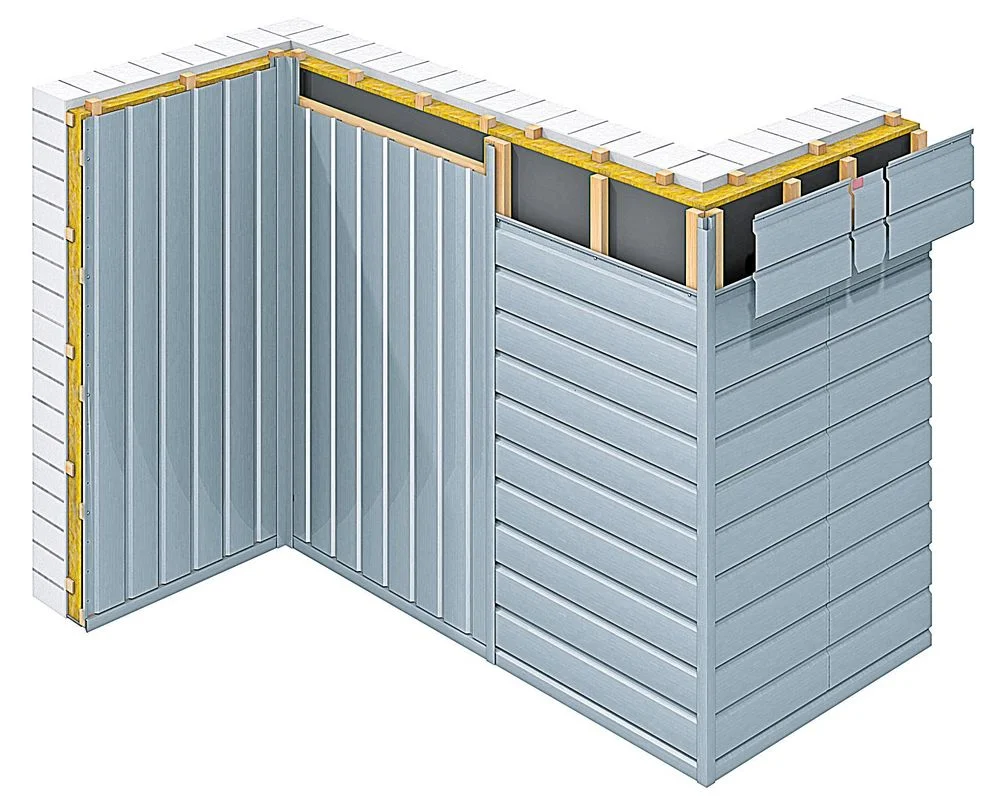
Unlike traditional building methods that require extensive on-site labor and multiple trades working sequentially, large panel systems enable parallel manufacturing and preparation. By the time panels arrive on-site, electrical conduits, insulation, cladding, and even windows can already be integrated—allowing for near-instant assembly.
The concept emerged in the mid-20th century as part of industrialized housing initiatives, but modern technology and modern methods of construction (MMC) have elevated it into a highly precise, sustainable, and aesthetically versatile solution.

2. Types of Large Panels Used in Prefabricated Structures
2.1 Sandwich Panel Construction
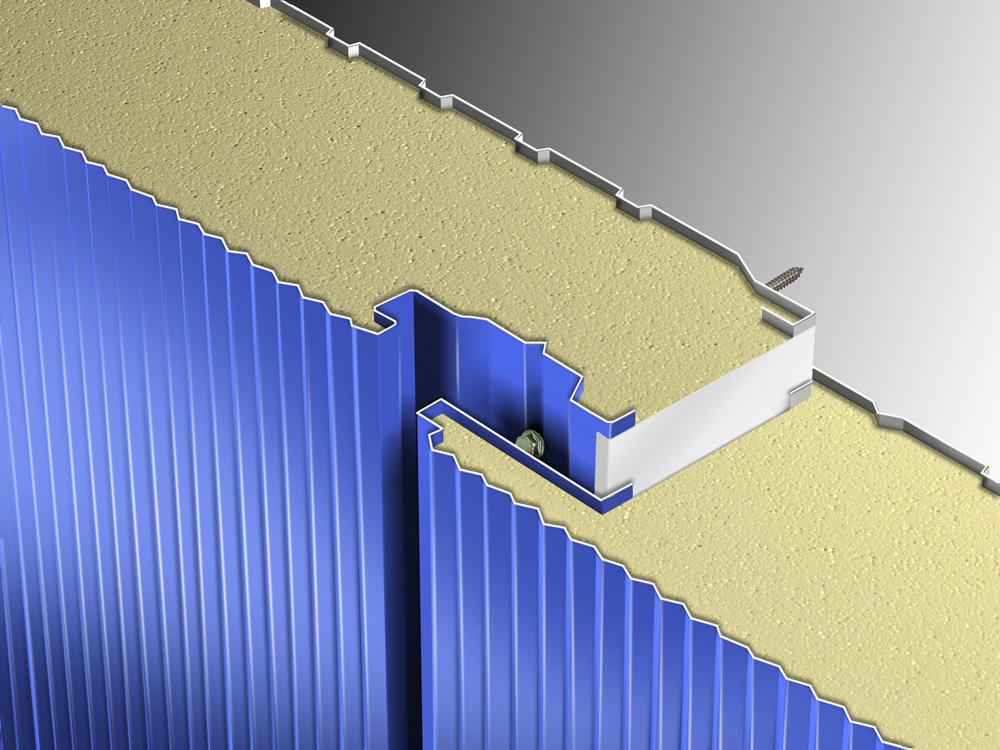
Sandwich panel construction consists of two outer layers (often steel, aluminum, or engineered timber) and an insulating core material such as polyurethane (PU), polystyrene (EPS), or mineral wool. This structure delivers:
- High thermal insulation performance
- Lightweight handling without compromising strength
- Fire resistance and acoustic control
Sandwich panels are widely used for industrial prefab structures, commercial buildings, and residential projects where both energy efficiency and quick assembly are priorities.
2.2 Lightweight Large Panels
Lightweight large panels reduce structural load and allow faster installation, especially in high-rise panel buildings where crane capacity and safety are major considerations. These panels often use high-performance insulation cores and thin but strong facings to achieve a superior strength-to-weight ratio.
2.3 Mass Timber Panel Systems
With sustainability at the forefront, mass timber panel systems—including cross-laminated timber (CLT)—are becoming a popular choice. They combine structural strength with a warm, natural aesthetic, making them ideal for both prefabricated housing construction and commercial projects. Timber panels store carbon, reduce embodied energy, and can be manufactured with extreme precision.
3. Applications Across the Building Industry
3.1 Prefabricated Housing Construction
In prefabricated housing construction, large panel systems allow entire homes to be assembled in days rather than months. Factories can produce panels with pre-installed insulation, wiring, and cladding, significantly reducing on-site labor costs and delays caused by weather. This speed is essential for meeting the global demand for affordable housing with prefab panels.
3.2 High-Rise Panel Buildings
Large panel construction is no longer limited to low-rise homes. Advances in engineering and lightweight materials have made high-rise panel buildings possible, allowing developers to create tall structures with exceptional efficiency. This approach shortens project timelines, reduces waste, and enables safer working conditions for construction crews.
3.3 Industrial Prefab Structures
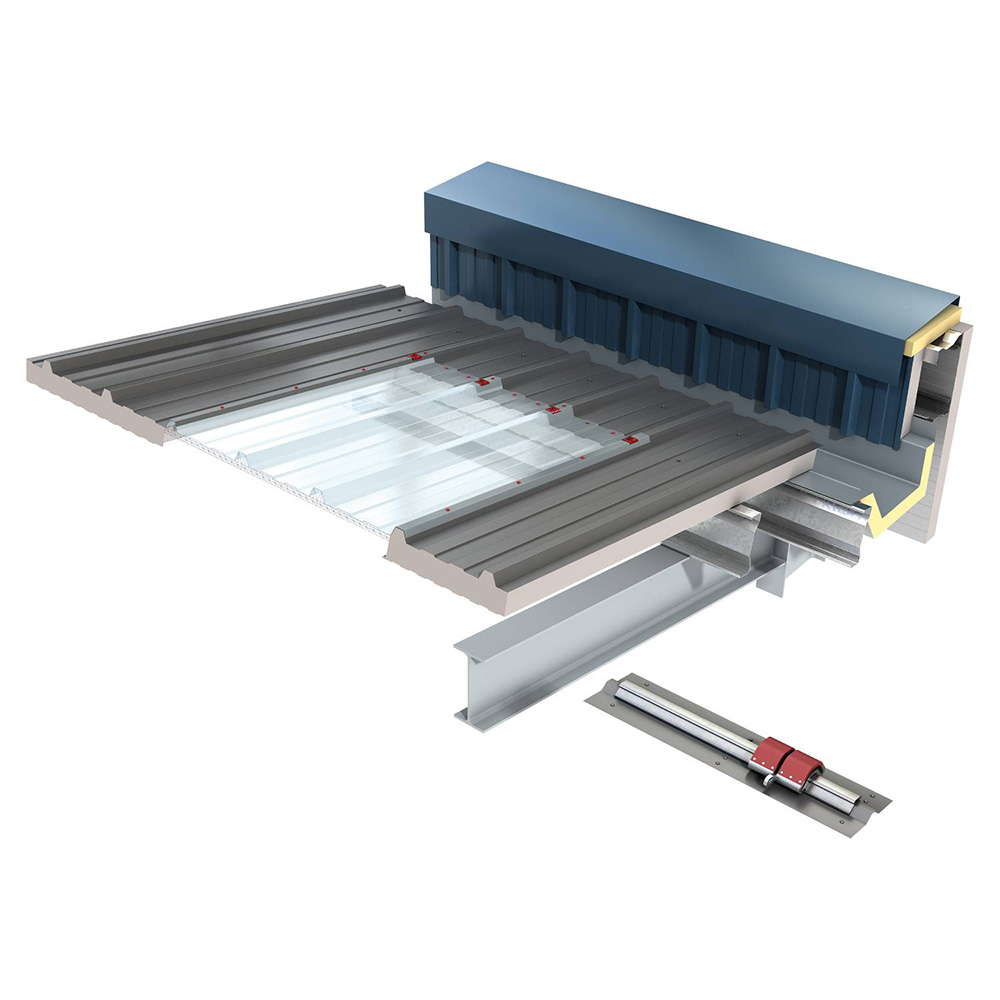
Industrial prefab structures—such as warehouses, factories, and logistics hubs—benefit immensely from large panel construction. The ability to create expansive, column-free spaces quickly allows businesses to expand operations without months of disruption. Sandwich panel walls and roofs provide thermal control, reducing energy costs for temperature-sensitive operations.
3.4 Affordable Housing with Prefab Panels
Governments and NGOs are increasingly turning to affordable housing with prefab panels to address housing shortages. By standardizing panel designs and streamlining manufacturing, it is possible to deliver durable, comfortable, and aesthetically pleasing homes at a fraction of the time and cost of conventional methods.
4. Benefits of Large Panel Construction
4.1 Fast-Track Construction with Panels
Time savings are the hallmark of large panel construction. Because panels arrive on-site ready for assembly, building envelopes can be completed in days. This fast-track construction with panels approach allows interior work to begin sooner, shortening overall project timelines and accelerating occupancy.
4.2 Cost-Effective Prefab Solutions
Cost-effective prefab solutions are achievable because off-site manufacturing reduces labor requirements, minimizes material waste, and lowers financing costs by enabling earlier project completion. Developers can pass these savings on to clients or reinvest them in higher-quality finishes.
4.3 Sustainable Prefabricated Panels
Sustainability is a built-in advantage of sustainable prefabricated panels. Controlled factory conditions optimize material usage, reduce transportation emissions (by minimizing multiple deliveries), and enable better integration of energy-saving technologies such as advanced insulation and airtight sealing.
4.4 Consistent Quality and Safety
Factory production ensures that panels meet stringent quality standards, unaffected by weather or on-site variables. This results in more durable structures and safer assembly conditions, as on-site work is significantly reduced.
5. Modern Methods of Construction (MMC) and Large Panels
Modern Methods of Construction (MMC) leverage automation, digital modeling, and robotics to optimize large panel prefabrication. Building Information Modeling (BIM) allows architects and engineers to design panels with pinpoint accuracy, reducing the risk of on-site errors.
Factories can use CNC machines to cut openings for windows, doors, and service channels before panels ever leave the production line. Automated quality control systems scan for imperfections, ensuring every panel meets performance requirements.
The synergy between large panel construction and MMC creates a seamless workflow—from design to delivery—that transforms the pace and precision of building projects.

6. Case Studies: Large Panel Construction in Action
6.1 Scandinavian Prefabricated Housing
In Sweden and Norway, prefabricated housing construction with large timber panels has delivered entire residential neighborhoods in record time. These homes meet strict energy-efficiency regulations and provide warm, natural interiors thanks to mass timber panel systems.
6.2 High-Rise in Asia Using Lightweight Large Panels
A 25-story residential tower in Singapore utilized lightweight large panels for both the façade and interior partitions, cutting construction time by 40% compared to conventional methods.
6.3 Industrial Logistics Hub in Europe
A German logistics company built a 50,000 m² distribution center using sandwich panel construction for walls and roofing. The structure was completed in just six months, enabling the company to start operations ahead of schedule.
7. Challenges and Solutions
7.1 Transportation and Logistics
Large panels require careful transportation planning. Solutions include modularizing panel dimensions for standard shipping or using on-site assembly of sub-panels to create larger units.
7.2 Customization Limitations
Some fear that prefabrication leads to “cookie-cutter” designs. However, modern CNC machining and flexible manufacturing allow for custom sizes, finishes, and integrated features without compromising efficiency.
7.3 Building Code Compliance
Different regions have varied regulations for prefab panels. Close collaboration with local authorities during design ensures compliance with fire safety, thermal performance, and structural requirements.
8. Future Trends in Large Panel Prefabrication
8.1 Hybrid Material Systems
Combining mass timber panel systems with steel or concrete cores can create hybrid structures that balance sustainability, strength, and cost.
8.2 Smart Panels
The integration of IoT technology into panels—such as built-in sensors for energy monitoring—will enable buildings to self-regulate and reduce operational costs.
8.3 Carbon-Neutral Construction
With sustainable prefabricated panels, the goal of carbon-neutral or even carbon-negative buildings is within reach. Using renewable materials, optimizing logistics, and incorporating renewable energy systems will further reduce the industry’s environmental footprint.
Conclusion: Building the Future, One Panel at a Time
Large panel construction in prefabricated structures is more than just a building technique—it’s a transformation in how we design, assemble, and inhabit spaces. By combining sandwich panel construction, lightweight large panels, and mass timber panel systems within the framework of modern methods of construction, we can create buildings that are faster to build, cost-effective, and sustainable.
Whether it’s prefabricated housing construction to address affordable housing shortages, high-rise panel buildings reshaping city skylines, or industrial prefab structures powering economic growth, large panel construction offers unmatched efficiency.
As technology evolves and sustainability becomes non-negotiable, the adoption of cost-effective prefab solutions will continue to grow—making large panel prefabrication a cornerstone of the construction industry’s future.