
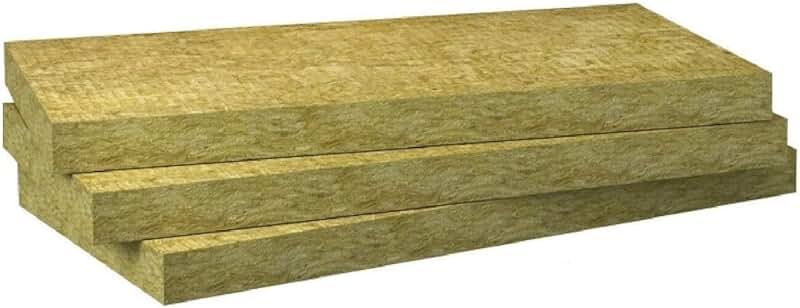
Rock wool sandwich panels have specialized applications due to their excellent fire resistance, thermal insulation, and soundproofing properties. Here’s a breakdown of their most common uses:

🔥 Key Properties of Rock Wool Panels
- Fire Resistance: Non-combustible, can resist temperatures above 1000°C
- Thermal Insulation: Effective in maintaining indoor temperature
- Sound Absorption: Excellent noise reduction capabilities
- Durability: Strong core with high mechanical strength
- Environmental Safety: Non-toxic and recyclable
🏗 1. Industrial and Commercial Buildings
- Exterior walls and facades (especially where fire rating is important)
- Partition walls in warehouses, factories, and workshops
- Roofs in steel structure buildings
- Ceiling panels in large industrial halls
🔧 Often used in factories handling flammable materials due to their fire safety performance.
🧊 2. Cold Storage and HVAC Facilities
- Thermal insulation walls in cold rooms or HVAC systems
- Ideal for temperature-controlled logistics hubs
⚠ While not as thermally efficient as PU/PIR, rock wool is chosen where fire safety is a bigger concern.
🏢 3. Public and High-Safety Buildings
- Hospitals, schools, government buildings, and airports
- Buildings that require fire-rated partitioning or safe evacuation routes
🧯 Complies with strict fire codes in public structures
🔇 4. Noise-Sensitive Facilities
- Soundproof enclosures, such as power plants or engine rooms
- Recording studios, auditoriums, or mechanical equipment rooms
🎧 Rock wool’s fiber structure absorbs sound very effectively
🏕 5. Prefabricated Modular Buildings
- Used in modular cabins, site offices, mobile clinics, and worker accommodations
💡 Offers both safety and comfort in temporary or mobile structures
⚙️ 6. Cleanrooms and Controlled Environments
- In pharmaceutical, food processing, and semiconductor industries
- Provides fire safety and insulation while maintaining hygiene standards
🚿 Often combined with stainless steel facing for easy cleaning