
The global shipbuilding and marine outfitting industry is rapidly evolving toward lightweight, fire-resistant, and modular interior systems. Among the most critical components in marine accommodation spaces is the Marine Ceiling Panel system, which directly affects vessel safety, acoustic comfort, thermal insulation, maintenance efficiency, and regulatory compliance.
Whether for cruise ships, offshore platforms, cargo vessels, naval ships, ferries, or luxury yachts, modern shipbuilders increasingly demand high-performance Ship Ceiling Panels that comply with international marine standards while reducing structural weight and installation costs.
As a long-term participant in the marine composite and marine outfitting sector, we have observed a significant transition from traditional steel ceiling systems toward advanced sandwich composite structures featuring mineral wool, aluminum honeycomb, rock wool, and fire-rated insulation cores.
This article provides an in-depth technical analysis of:
- Marine ceiling panel structures
- A60 fire-rated ceiling systems
- SOLAS compliance requirements
- Material selection principles
- Lightweight marine interior engineering
- BV-certified marine ceiling solutions
- Applications in crew cabins, corridors, engine rooms, and public spaces
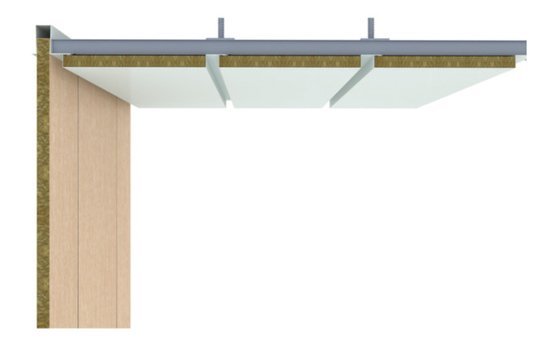
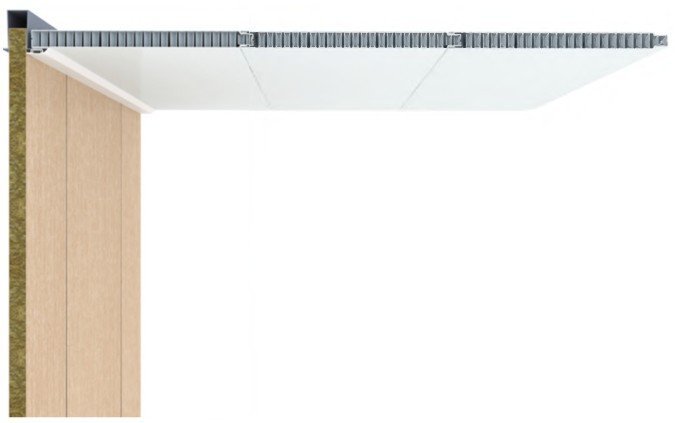
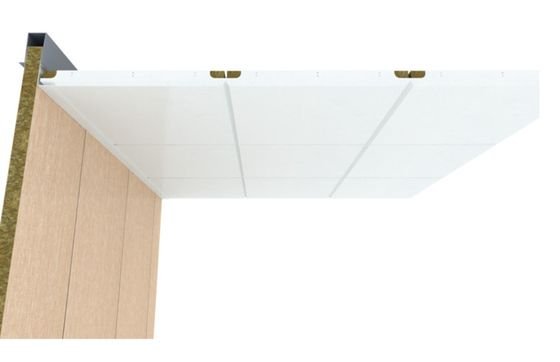
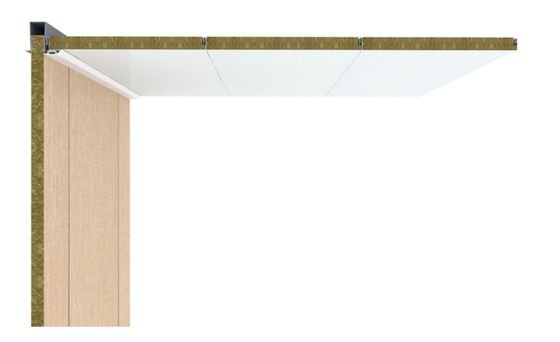
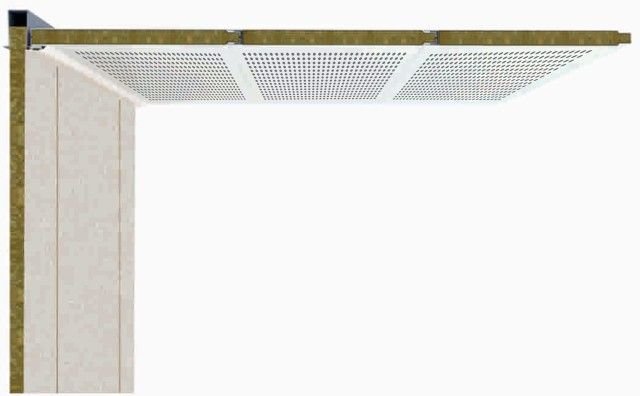
What Is a Marine Ceiling Panel?
A Marine Ceiling Panel is a specialized suspended or modular ceiling system installed inside ships and offshore structures. Unlike conventional architectural ceilings, marine ceilings must withstand:
- Saltwater corrosion
- High humidity
- Constant vibration
- Fire hazards
- Mechanical impact
- Acoustic challenges
- Weight limitations
Marine ceiling systems are primarily used in:
- Crew cabins
- Passenger cabins
- Corridors
- Dining halls
- Control rooms
- Engine room passageways
- Offshore accommodation modules
The core objective of a marine ceiling system is to achieve:
- Fire protection
- Weight reduction
- Acoustic insulation
- Thermal insulation
- Easy maintenance access
- Long service life in marine environments
Why Fire-Rated Marine Ceiling Systems Matter
One of the most important keywords in marine interior engineering is the A60 Ceiling Panel for Vessels.
An A60 marine ceiling system is designed to prevent flame penetration and limit temperature rise for at least 60 minutes under standardized fire testing conditions.
IMO and SOLAS Requirements
International marine safety regulations are governed by:
- SOLAS (Safety of Life at Sea)
- IMO FTP Code
- Classification societies such as:
- BV
- DNV
- ABS
- LR
- CCS
A compliant ship fire-rated ceiling must pass:
- Non-combustibility testing
- Smoke toxicity testing
- Surface flammability testing
- Structural integrity testing
- Fire insulation performance testing
The A60 classification specifically indicates:
- Integrity maintained for 60 minutes
- Temperature rise restricted within IMO limits
- Protection during severe onboard fire incidents
This is especially critical for:
- Cruise ships
- Offshore living quarters
- Engine room boundaries
- Escape routes
- Control stations
Structure of Modern Marine Ceiling Panels
A typical marine ceiling panel with rock wool core consists of multiple engineered layers.
Standard Layer Structure
Surface Layer
Usually made from:
- Galvanized steel sheet
- Aluminum sheet
- Stainless steel
- Pre-painted steel
- Powder-coated aluminum
The surface coating must resist:
- Salt spray corrosion
- Moisture
- Chemical cleaning agents
Core Material
The core is the functional heart of the panel.
Common marine ceiling core materials include:
| Core Material | Main Advantage | Typical Use |
|---|---|---|
| Rock Wool | Fire resistance | A60 ceiling systems |
| Mineral Wool | Acoustic absorption | Cabin ceilings |
| Aluminum Honeycomb | Lightweight strength | Luxury vessels |
| PIR/PUR Foam | Thermal insulation | Controlled areas |
| Glass Wool | Noise reduction | Passenger ships |
Among these, rock wool remains the dominant solution for SOLAS ceiling board applications due to its excellent fire insulation capability.
Back Sheet
The rear layer improves:
- Structural rigidity
- Vapor resistance
- Mechanical stability
It also protects insulation materials from moisture penetration during long-term marine operation.
Lightweight Marine Ceiling Panel Engineering
Weight reduction has become one of the biggest priorities in modern shipbuilding.
Every kilogram removed from vessel superstructures improves:
- Fuel efficiency
- Stability
- Payload capacity
- Emission performance
This explains the growing demand for:
- Lightweight marine ceiling panel for crew cabin
- Aluminum honeycomb ceiling systems
- Composite marine interior panels
Why Lightweight Matters
For cruise vessels and offshore platforms, thousands of square meters of ceiling systems are installed.
Reducing ceiling weight by even 20–30% can significantly impact:
- Vessel center of gravity
- Fuel consumption
- Operational efficiency
- Lifecycle maintenance costs
Advanced composite ceiling systems now offer:
- High rigidity
- Reduced dead load
- Improved corrosion resistance
- Faster installation
Marine Ceiling Panel With Rock Wool Core
The most common fire-rated marine ceiling solution today is the marine ceiling panel with rock wool core.
Technical Advantages
Excellent Fire Resistance
Rock wool fibers can tolerate temperatures exceeding 1000°C, making them ideal for:
- A60 ceiling systems
- Escape corridor ceilings
- Offshore living module interiors
Superior Acoustic Performance
Marine accommodation spaces require sound reduction between cabins and public areas.
Rock wool effectively absorbs:
- Airborne noise
- Mechanical vibration
- HVAC system sound
This improves onboard comfort, especially on passenger vessels.
Thermal Insulation
Rock wool also minimizes thermal transfer, helping maintain stable interior temperatures.
This reduces HVAC energy consumption in:
- Cruise ships
- Ferries
- Offshore accommodation blocks
Types of Ship Ceiling Panel Systems
Different vessels require different ceiling configurations.
Modular Clip-In Ceiling Panels
Widely used for:
- Passenger areas
- Public corridors
- Medical rooms
Advantages:
- Easy maintenance access
- Clean visual appearance
- Rapid installation
Hook-On Marine Ceiling Panels
Designed for:
- High vibration zones
- Offshore structures
- Naval applications
Advantages:
- Strong panel fixation
- Excellent stability
- Long-term durability
Lay-In Marine Ceiling Tiles
Common in:
- Crew accommodation
- Utility rooms
- Technical areas
Advantages:
- Cost efficiency
- Simple replacement
- Easy inspection access
Ship Fire-Rated Ceiling Standards
A professional Marine interior panel manufacturer must understand international certification procedures.
Key Certifications
BV Certified Ship Ceiling System
A BV certified ship ceiling system indicates compliance with standards verified by the classification society Bureau Veritas.
BV certification typically evaluates:
- Fire performance
- Structural durability
- Material traceability
- Manufacturing consistency
Other Important Certifications
| Certification | Organization | Purpose |
|---|---|---|
| MED | European Union | Marine equipment directive |
| DNV Approval | DNV | Offshore and vessel approval |
| ABS Approval | ABS | US marine classification |
| IMO FTP Code | IMO | Fire test procedures |
| SOLAS Compliance | IMO | Marine safety regulation |
Without these approvals, marine ceiling panels cannot be legally installed on many commercial vessels.
Marine Outfitting China: Manufacturing Advantages
The keyword marine outfitting China has become increasingly important in global procurement.
China now plays a major role in:
- Ship interior systems
- Fire-rated wall panels
- Marine ceiling production
- Modular accommodation units
Why Global Shipyards Source From China
Large-Scale Manufacturing
Chinese marine panel manufacturers offer:
- Automated production lines
- High-volume capability
- Stable lead times
Competitive Cost Structure
Compared with European suppliers, Chinese manufacturers often provide:
- Lower labor costs
- Integrated raw material supply chains
- Flexible OEM manufacturing
Advanced Composite Technology
Modern Chinese factories increasingly adopt:
- CNC processing
- Honeycomb composite lamination
- Continuous sandwich panel production
- Automated coating systems
This allows them to manufacture high-quality ship ceiling panels meeting international marine standards.
Corrosion Resistance in Marine Ceiling Systems
Marine environments are extremely aggressive toward metals.
Therefore, surface treatment is critical.
Common Protective Coatings
| Coating Type | Feature |
|---|---|
| PVDF Coating | Excellent weather resistance |
| Powder Coating | Impact resistance |
| Polyester Coating | Cost-effective |
| Epoxy Primer | Corrosion protection |
Aluminum ceiling panels are especially popular because they naturally resist corrosion while maintaining low weight.
Acoustic Requirements for Marine Ceilings
Passenger comfort has become a major selling point for:
- Cruise ships
- Luxury ferries
- Offshore accommodation vessels
Modern marine ceilings must provide:
- NRC acoustic absorption
- Vibration damping
- Cabin-to-cabin noise reduction
Acoustic Core Materials
The best acoustic solutions typically combine:
- Rock wool
- Perforated metal facings
- Acoustic fleece backing
This structure significantly improves interior sound quality.
Installation Efficiency and Modular Design
Shipyards prioritize installation speed because delayed vessel delivery creates major financial losses.
Modern boat ceiling tile systems therefore emphasize:
- Pre-fabrication
- Modular sizing
- Quick-lock installation
- Easy maintenance access
Advantages include:
- Reduced labor cost
- Faster outfitting schedules
- Simplified future repair
Future Trends in Marine Ceiling Panels
The marine ceiling industry is shifting toward:
Sustainable Materials
Manufacturers increasingly use:
- Recyclable aluminum
- Low-VOC coatings
- Eco-friendly mineral insulation
Ultra-Lightweight Composite Structures
Advanced sandwich panels with:
- Aluminum honeycomb cores
- Composite skins
- Hybrid fire-resistant structures
are becoming more common in high-end vessels.
Smart Marine Interiors
Emerging systems now integrate:
- LED lighting
- HVAC channels
- Acoustic control
- Hidden inspection access
into modular marine ceiling assemblies.
Choosing the Right Marine Interior Panel Manufacturer
When selecting a supplier for Marine Ceiling Panels, shipbuilders should evaluate:
Engineering Capability
A qualified manufacturer should provide:
- Fire test reports
- CAD support
- Structural calculations
- Custom marine detailing
Certification Experience
The supplier should already possess:
- IMO certification
- SOLAS approval
- BV/DNV/ABS project experience
Production Stability
Key indicators include:
- Automated production equipment
- QC systems
- Traceable raw materials
- Stable lead times
Conclusion
The modern Marine Ceiling Panel is far more than a decorative interior component. It is an integrated engineering system combining:
- Fire safety
- Lightweight performance
- Acoustic insulation
- Thermal efficiency
- Corrosion resistance
- Regulatory compliance
As the marine industry continues to prioritize safety, sustainability, and vessel efficiency, demand for advanced Ship Ceiling Panels and A60 Ceiling Panels for Vessels will continue to rise.
High-performance solutions such as:
- Lightweight marine ceiling panel for crew cabin
- Marine ceiling panel with rock wool core
- BV certified ship ceiling system
- SOLAS ceiling board
are now essential for next-generation marine outfitting projects.
For shipyards, offshore engineering contractors, and marine interior procurement specialists, selecting a technically experienced Marine interior panel manufacturer is critical to ensuring long-term vessel safety and operational performance.