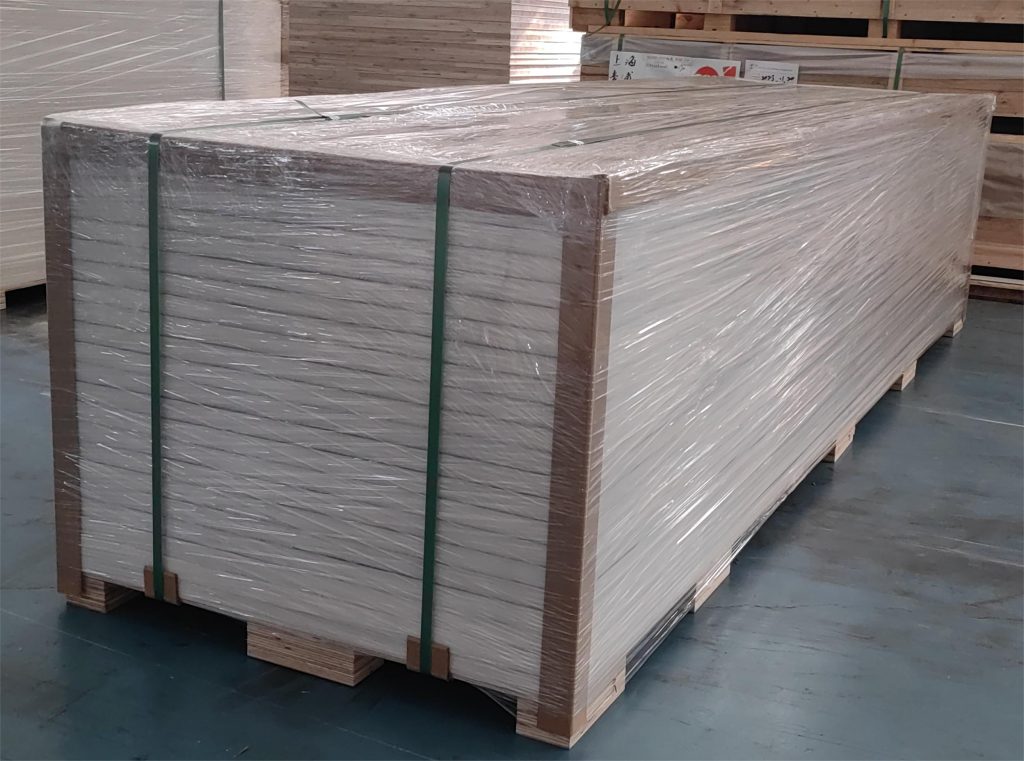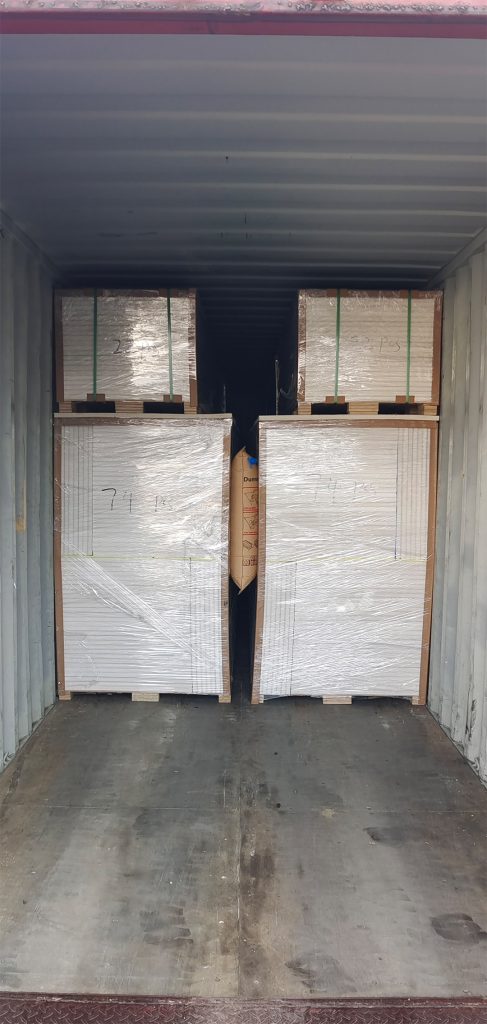
In modern architectural engineering, material selection is often the defining factor between a project that merely functions and one that excels in performance, longevity, and efficiency. As sustainability targets rise and construction methodologies evolve, architects increasingly turn to advanced composite materials to meet these demands. Among these emerging choices, Polyurethane High Density foam stands out as a versatile, structural, and energy-efficient material compatible with a broad range of applications. But the real question remains: Is it the right material for your project?
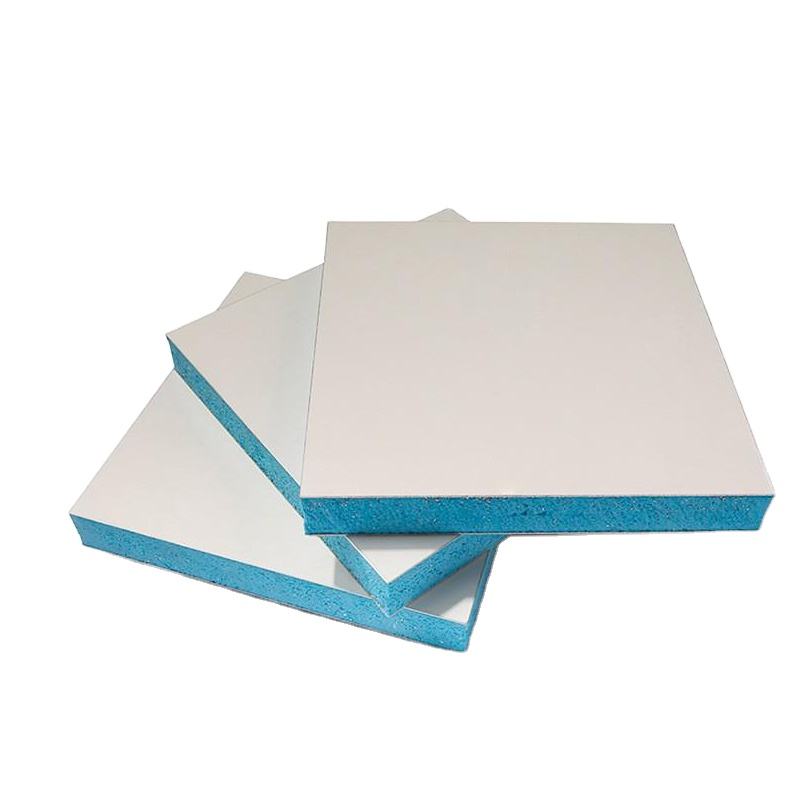
Understanding Polyurethane High Density in Construction
Polyurethane High Density refers to rigid, high-compression polyurethane foam engineered to provide exceptional mechanical strength, thermal insulation, and dimensional stability. Compared with low-density foams used mainly for sealing or lightweight filler applications, high-density polyurethane is designed to bear loads, maintain its shape, and withstand harsh environmental conditions.
From an architectural standpoint, its appeal lies in the material’s dual performance: it acts both as a structural core and as an insulating layer. This combination makes it a strategic choice for construction systems focused on weight reduction, energy conservation, and long-term durability.
1. Structural Performance: Strength Without Excess Weight
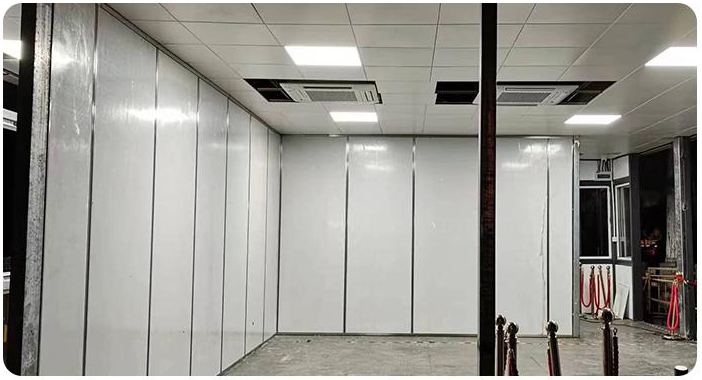
One of the strongest advantages of Polyurethane High Density is its ability to deliver high compressive strength while remaining significantly lighter than traditional building materials such as concrete, plywood, or mineral-filled cores.
Applications that benefit from this include:
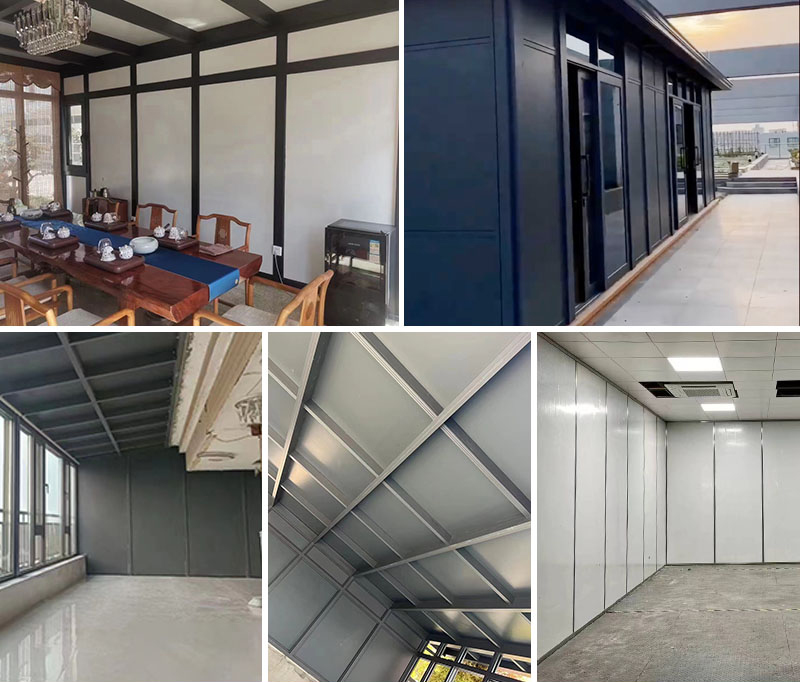
- Sandwich panel cores in façade systems, wall panels, and roofing
- Formwork and molds for casting architectural concrete
- Prefabricated structural elements used in modular industrial construction
- Support components in doors, partitions, and composite beams
For architects working on projects where load optimization is essential—long-span roofs, large vertical panels, or prefabricated modules—Polyurethane High Density can reduce structural weight while maintaining rigidity. This translates to simpler supporting frameworks and potentially lower construction costs.
2. Dimensional Stability and Precision Engineering
Architectural designs often require precise shapes, tight tolerances, and predictable long-term performance. Polyurethane High Density offers excellent dimensional stability, resisting warping, shrinking, or deforming under varying temperature and humidity conditions.
This makes it particularly suitable for:
- CNC-machined prototypes and architectural models
- Detailed façade elements and irregular geometries
- Complex industrial tooling
- Custom insulation blocks and precision-fitting components
Because the material is easy to machine while maintaining structural integrity, it enables architects and fabricators to achieve complex forms that would be difficult or costly to create using conventional materials.
3. Thermal and Acoustic Advantages
Energy efficiency has become a core element of contemporary architecture. Polyurethane High Density possesses a low thermal conductivity, making it an excellent insulation material in projects prioritizing sustainability and operational cost reduction.
Thermal-related applications include:
- Exterior wall insulation layers in industrial buildings
- HVAC duct insulation
- Cold-storage rooms, food-processing facilities, and refrigeration units
- Rooftop insulation for factories and warehouses
Beyond thermal performance, the dense cellular structure of Polyurethane High Density provides notable acoustic dampening. This is particularly beneficial for industrial environments, mechanical rooms, and mixed-use facilities where noise management contributes to occupant comfort.
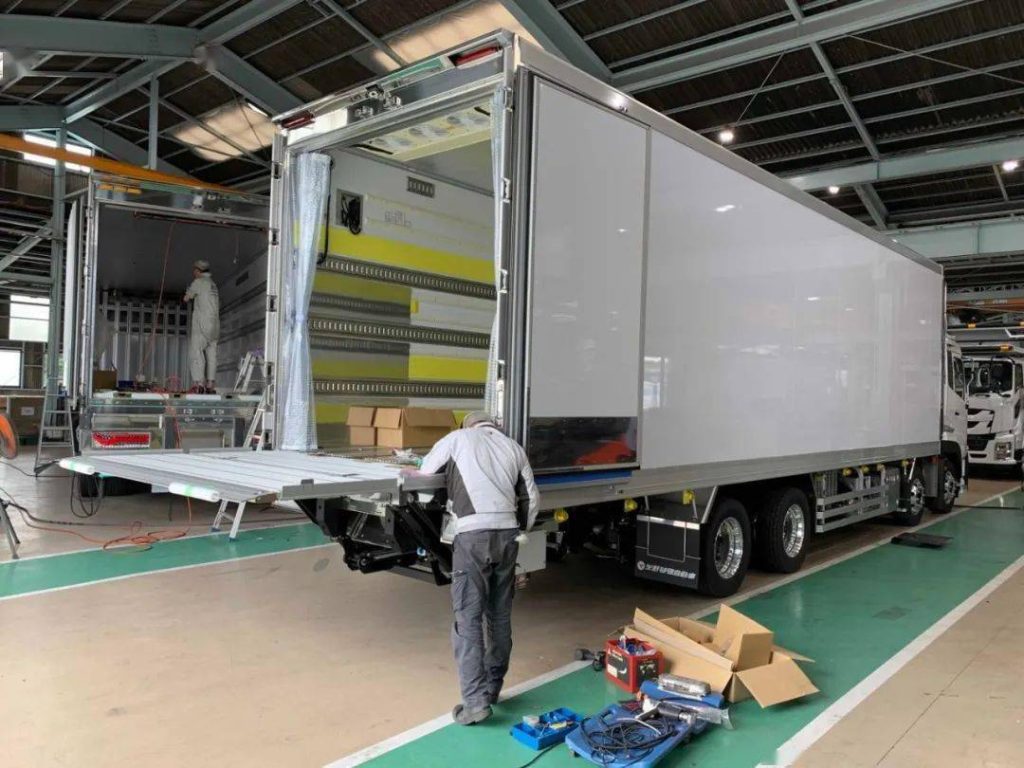

4. Resistance to Moisture, Chemicals, and Environmental Stress
Durability is a fundamental architectural requirement, especially for industrial and infrastructure projects exposed to demanding conditions. Polyurethane High Density exhibits strong resistance to moisture absorption, chemical corrosion, mold growth, and general weathering.
This makes it a suitable choice for:
- Marine structures, floating elements, or dock components
- Underground piping and utility line insulation
- Transportation infrastructure such as railway panels
- Chemical-processing facilities or environments with high humidity
Because the material does not rot or degrade easily, it maintains long-term stability even in harsh climates, ensuring the architectural envelope remains durable and efficient throughout its lifecycle.
5. Fire-Retardant Options for Safety Compliance
Many construction codes demand strict fire performance, especially for industrial facilities, commercial buildings, and mechanical enclosures. Fire-retardant formulations of Polyurethane High Density can significantly slow ignition and reduce flame spread.
Architects often specify such grades in:
- Electrical and mechanical rooms
- Equipment enclosures
- Prefabricated industrial cabins
- Transportation interiors
This ensures compliance with safety standards while still benefiting from polyurethane’s mechanical and thermal advantages.
Is Polyurethane High Density the Right Choice for Your Project?
To determine whether Polyurethane High Density aligns with your project goals, consider the following architectural criteria:
✔ Need for lightweight but strong structural cores?
It excels in sandwich panels, prefabricated elements, and load-bearing composites.
✔ High insulation value required?
Ideal for energy-efficient industrial and commercial buildings.
✔ Complex shapes or custom-engineered components?
Its machinability supports advanced architectural geometry.
✔ Exposure to moisture, chemicals, or aggressive environments?
It offers reliable resistance and long-term dimensional stability.
✔ Requirement for fire safety compliance?
Fire-retardant grades can meet stringent industrial standards.
Conclusion
From an architectural engineering perspective, Polyurethane High Density is far more than a simple foam material—it is a strategic solution that enhances structural performance, energy efficiency, and design flexibility. For projects requiring lightweight strength, precision fabrication, environmental durability, or high insulation value, it is undeniably a material worth considering.
With modern construction continually pushing toward efficiency and sustainability, Polyurethane High Density stands out as a forward-thinking choice capable of meeting the complex demands of today’s architectural challenges.