
In modern construction, transportation, and industrial applications, lightweight yet durable materials are essential for ensuring both performance and efficiency. Among these innovative materials, FRP (Fiberglass) sandwich panels stand out due to their exceptional strength-to-weight ratio. Understanding the weight of an FRP sandwich panel is crucial when choosing materials for projects that demand structural integrity without sacrificing mobility or energy efficiency. This article explores the factors affecting FRP sandwich panel weight, its advantages, typical applications, and how to select the right panel for your project.
What Is an FRP Sandwich Panel?
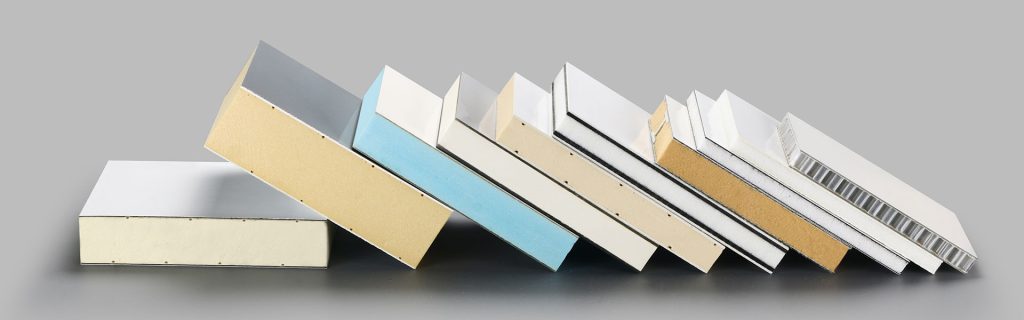
An FRP sandwich panel is a composite material consisting of two outer layers of fiberglass-reinforced plastic (FRP) bonded to a lightweight core material, such as polyurethane (PU), polyisocyanurate (PIR), honeycomb, or PVC foam. This layered design combines the high tensile strength of fiberglass with the lightweight, insulating properties of the core, resulting in a panel that is both rigid and easy to handle.
The primary reason for using an FRP sandwich panel is its superior weight-to-strength performance. While traditional construction materials like steel or solid fiberglass are heavier and less energy-efficient, FRP panels provide the same level of mechanical stability with a fraction of the weight.
Importance of FRP Sandwich Panel Weight
Weight is a critical factor when selecting building or industrial materials. The weight of an FRP sandwich panel directly impacts:
- Structural Design – Lighter panels reduce the load on the framework, allowing for less robust support structures and cost savings on materials.
- Transportation Efficiency – Lower weight means reduced shipping costs and easier handling during installation.
- Energy Savings – In automotive, marine, and aerospace industries, lighter panels lead to lower fuel consumption and enhanced performance.
- Installation Speed – Lightweight panels can be installed faster and with fewer workers, improving project timelines and reducing labor costs.
Typical Weight of FRP Sandwich Panels
The weight of an FRP sandwich panel depends on several factors, including the thickness of the fiberglass skins, the density of the core material, and the overall dimensions of the panel. On average:
- Thin FRP panels (10–20mm): 4–6 kg/m²
- Medium-thickness panels (25–50mm): 6–10 kg/m²
- Heavy-duty panels (above 50mm): 10–15 kg/m² or more
For instance, an FRP sandwich panel with a PU foam core and 30mm thickness typically weighs between 7–9 kg/m², making it significantly lighter than steel sandwich panels of similar strength.
Factors Affecting FRP Sandwich Panel Weight
Several variables determine the overall weight of an FRP sandwich panel:
1. Core Material
The type and density of the core material largely influence panel weight.
- PU Foam Core: Very lightweight, excellent insulation, commonly used in wall and roof cladding.
- PVC Foam Core: Slightly heavier, provides higher compressive strength.
- Aluminum or Paper Honeycomb Core: Offers excellent rigidity with moderate weight.
- Balsa Wood Core: Lightweight and eco-friendly but slightly heavier than foam options.
2. Fiberglass Layer Thickness
The thickness of the FRP skins plays a major role in weight. Thicker fiberglass layers add durability but also increase overall mass.
3. Resin Content
Resins like polyester, vinyl ester, or epoxy are used in the FRP layers. Higher resin content means more weight but also better moisture and chemical resistance.
4. Panel Size
The total surface area (length x width) will affect total weight. A larger panel of the same thickness will naturally weigh more.
Benefits of Lightweight FRP Sandwich Panels
The lightweight nature of FRP sandwich panels makes them highly attractive for a range of industries:
1. Superior Strength-to-Weight Ratio
FRP panels are stronger than many traditional materials while remaining light enough to minimize structural loads.
2. Corrosion and Moisture Resistance
Unlike steel or wood, FRP panels do not corrode or rot, even in humid or marine environments. This property extends the lifespan of the panel.
3. Thermal Insulation
Core materials like PU or PIR provide excellent thermal performance, reducing heating and cooling costs.
4. Easy Handling and Installation
The reduced weight means fewer tools and less manpower are required for installation, resulting in time and cost savings.
5. Versatile Applications
From cold storage units to recreational vehicles (RVs) and marine decks, lightweight FRP sandwich panels adapt well to diverse uses.
Applications of FRP Sandwich Panels Based on Weight Advantage
Because of their weight advantage, FRP sandwich panels are used across many sectors:
- Transportation: Used in truck bodies, trailers, and bus interiors where weight reduction directly impacts fuel economy.
- Marine Industry: Ideal for ship decks, cabins, and bulkheads due to their resistance to saltwater and lightweight properties.
- Construction: Commonly used in prefabricated walls, roofing systems, and modular buildings where lightweight materials speed up installation.
- Refrigerated Units: The lightweight core materials reduce overall unit weight while maintaining excellent thermal insulation.
- Aerospace: FRP panels help reduce aircraft weight while providing durability and vibration resistance.
How to Choose the Right FRP Sandwich Panel by Weight
When selecting an FRP sandwich panel, weight considerations must balance with structural requirements and intended use. Here’s how to make the right choice:
- Identify Load Requirements: Determine the load the panel will bear. For heavy-duty applications, a slightly heavier but stronger panel may be necessary.
- Consider Insulation Needs: If energy efficiency is a priority, opt for panels with foam cores that offer both low weight and excellent insulation.
- Evaluate Environmental Conditions: For marine or chemical environments, choose panels with higher resin content for better corrosion resistance.
- Check Manufacturer Specifications: Always compare the weight per square meter among different brands and models of FRP panels.
Reducing Project Costs with Lightweight FRP Sandwich Panels
Using a lightweight FRP sandwich panel can reduce overall project costs in several ways:
- Lower Transport Costs: Lighter panels reduce shipping and handling fees.
- Smaller Support Structures: Reduced weight means smaller beams and foundations, lowering material costs.
- Faster Installation: Lightweight panels require fewer workers and less heavy machinery during installation.
Conclusion
The weight of an FRP (Fiberglass) sandwich panel is a critical factor influencing its performance, cost, and ease of use. With an outstanding strength-to-weight ratio, excellent durability, and versatile applications, FRP sandwich panels have become the go-to choice for industries aiming to improve efficiency without compromising quality. By understanding the factors that affect panel weight—such as core material, fiberglass thickness, and panel size—you can choose the perfect panel for your project needs.
Whether you’re building lightweight vehicle bodies, marine structures, or energy-efficient walls, FRP sandwich panels provide a winning combination of low weight, high strength, and long-lasting performance.