
In the evolving world of construction and architecture, energy efficiency, durability, and structural integrity are more important than ever. Among the innovative materials that have gained significant attention in recent years, PU foam core metal cladding panels stand out for their excellent thermal insulation, lightweight construction, and ease of installation. Also referred to as PU sandwich panels or PU composite panels, these high-performance building materials are revolutionizing how contractors and designers approach external wall cladding and insulation.
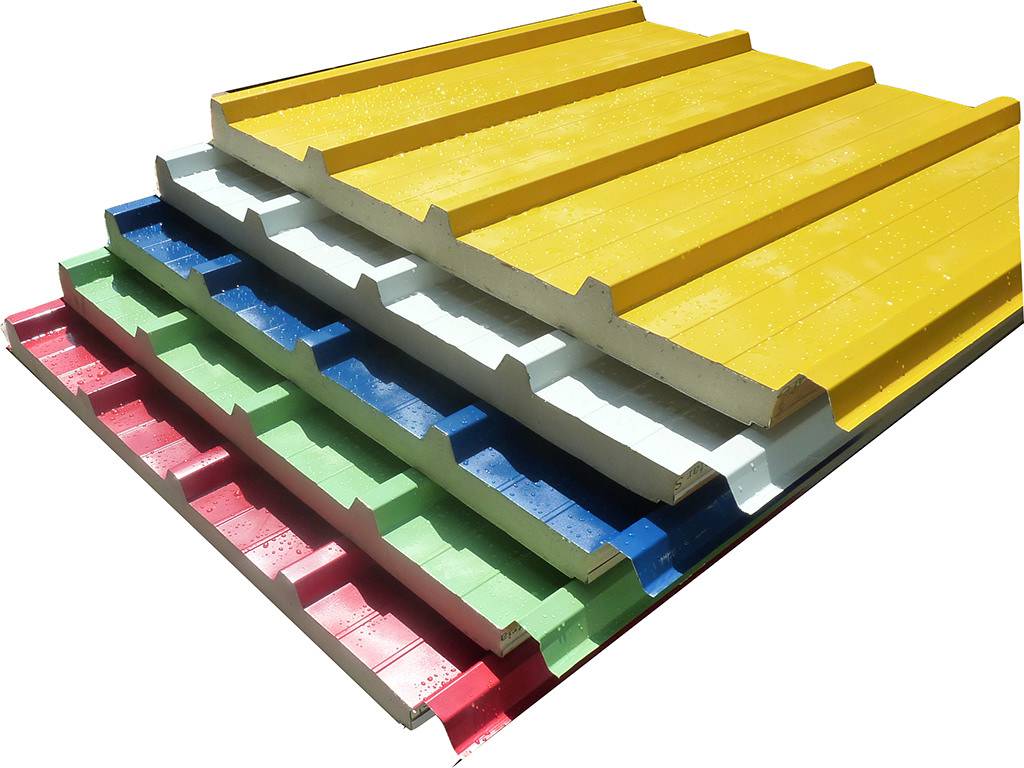
What Are PU Foam Core Metal Cladding Panels?
PU foam core metal cladding panels are composite building materials consisting of two outer layers of metal—typically galvanized steel or aluminum—encasing a rigid core of polyurethane (PU) foam. This sandwich-like structure gives the panel its alternative name: PU sandwich panel.
The PU foam core serves as a highly effective thermal insulation layer, while the outer metal skins provide structural strength, weather resistance, and aesthetic appeal. These panels are widely used in both industrial and commercial construction projects, especially in buildings where energy efficiency and fire resistance are crucial.
Key Features and Benefits
1. Superior Thermal Insulation
One of the standout features of PU composite panels is their excellent thermal insulation performance. The closed-cell structure of PU foam limits heat transfer, significantly reducing energy costs associated with heating and cooling. This makes them ideal for applications in cold storage facilities, food processing plants, and climate-controlled warehouses.
2. Lightweight and High Strength
Despite their solid structural properties, PU sandwich panels are lightweight and easy to handle. This reduces the load on the building’s framework and simplifies the logistics and installation process, saving both time and labor costs.
3. Excellent Fire Resistance
Modern PU foams used in metal cladding panels are often treated with fire-retardant additives. Combined with metal facings, these panels offer improved fire resistance compared to traditional insulation materials. Certain types even meet international fire safety standards such as FM Approvals and EN 13501.
4. Water and Moisture Resistance
The PU core is resistant to water absorption, which prevents mold growth and maintains insulation performance over time. Additionally, metal facings protect against rain, snow, and other weather elements, making PU composite panels suitable for exterior wall and roofing applications.
5. Versatile Aesthetic Options
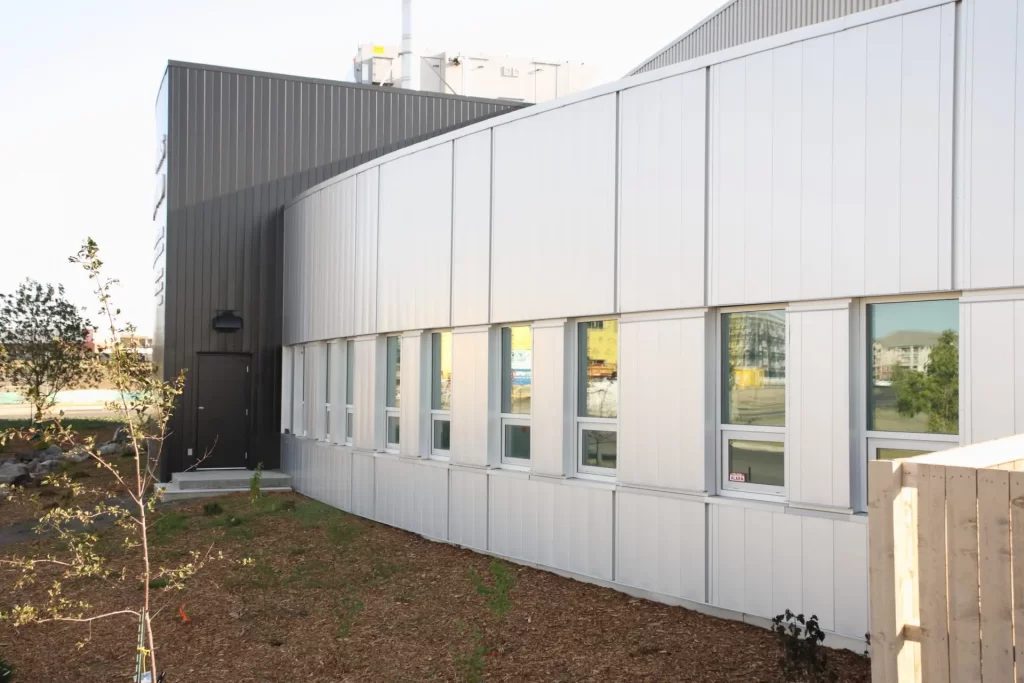
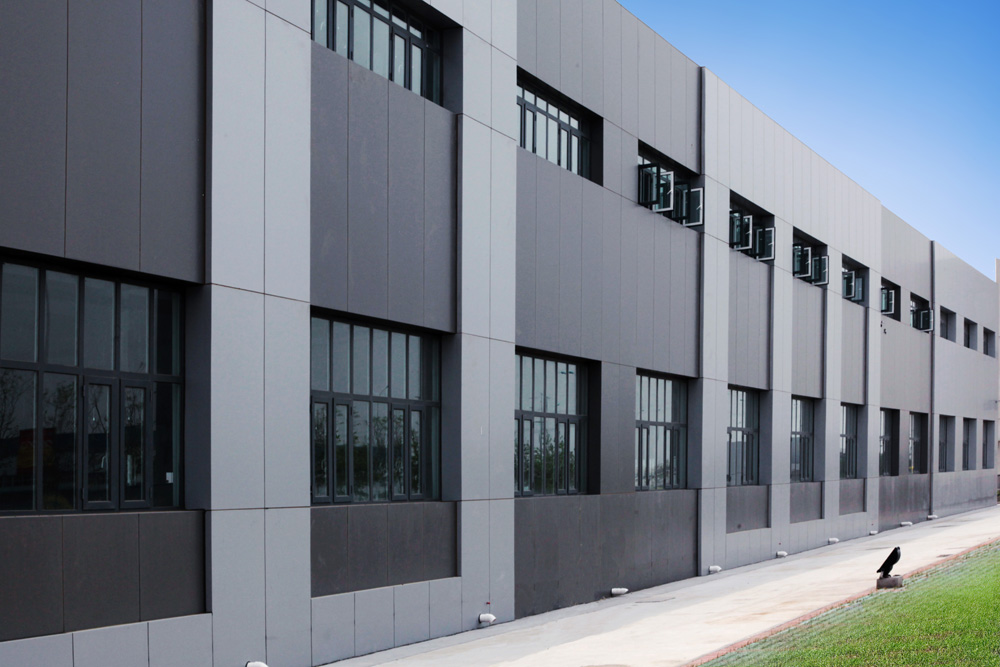
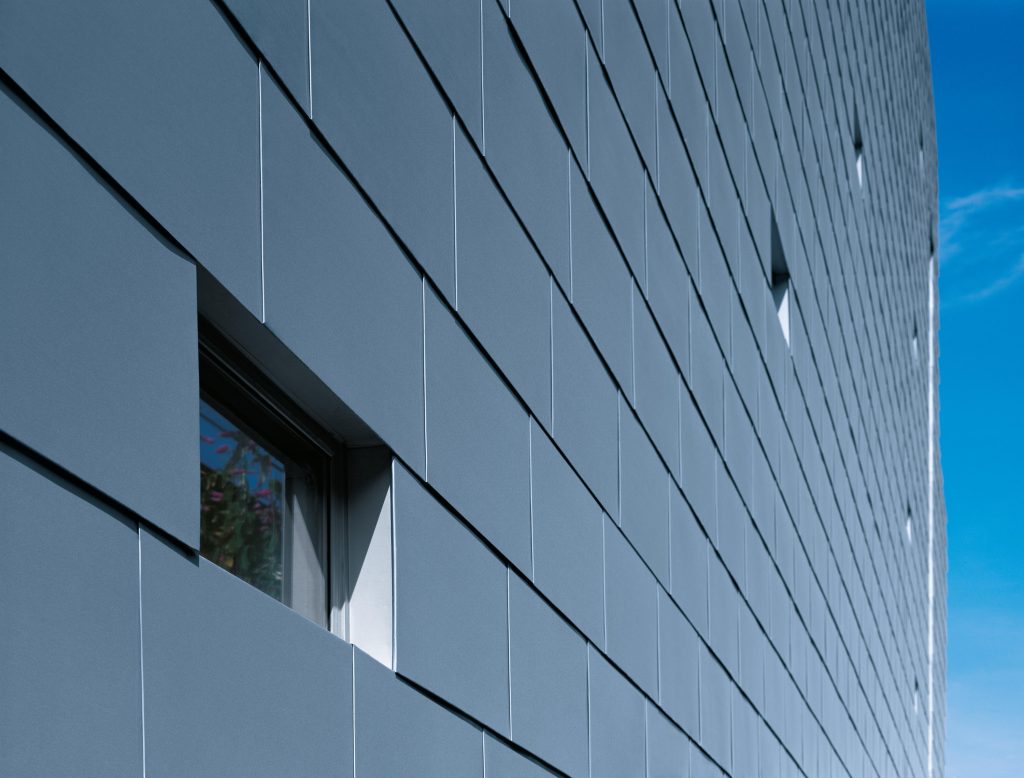
PU foam core metal cladding panels can be customized with various finishes, textures, and colors. This makes them not only functional but also visually appealing. Architects and designers appreciate the flexibility in design, allowing for sleek, modern exteriors.
Common Applications
Thanks to their durability, versatility, and insulation properties, PU sandwich panels are used in a wide range of building projects, including:
- Industrial buildings and warehouses
- Cold storage and refrigeration units
- Cleanrooms and laboratories
- Shopping centers and commercial buildings
- Prefabricated and modular buildings
- Agricultural facilities and livestock shelters
In these settings, PU composite panels play a dual role—providing both structural cladding and energy-efficient insulation.
Technical Specifications
While specifications may vary depending on the manufacturer, typical PU foam core metal cladding panels have the following characteristics:
| Parameter | Specification |
|---|---|
| Core Material | Rigid Polyurethane (PU) Foam |
| Facing Material | Galvanized Steel, Aluminum, or Aluzinc |
| Thickness Range | 40mm to 200mm |
| Thermal Conductivity | 0.022–0.028 W/m·K |
| Panel Width | 1000mm–1200mm (customizable) |
| Fire Rating | B1/B2 (with fire-retardant additives) |
| Water Absorption | <2% |
| Compressive Strength | ≥150 kPa |
These panels can be manufactured with tongue-and-groove joints for airtight and seamless installation, enhancing their insulation performance and weatherproof capabilities.
Why Choose PU Foam Core Metal Cladding Panels?
Energy Efficiency and Sustainability
Using PU sandwich panels significantly reduces a building’s energy consumption. Less energy for heating and cooling translates to a lower carbon footprint, aligning with global goals for sustainability and green construction.
Cost-Effective Long-Term Solution
Although the initial cost of PU composite panels might be higher than traditional materials, the long-term savings on energy and maintenance make them a highly cost-effective option. Their durability means fewer replacements and repairs over the lifespan of the building.
Rapid Construction
The prefabricated nature of PU foam core metal cladding panels allows for quick and easy assembly. This is especially advantageous in time-sensitive construction projects or remote site installations where on-site fabrication is not feasible.
Compliance with Building Regulations
Leading manufacturers ensure that PU sandwich panels meet or exceed international standards for fire safety, thermal performance, and structural integrity. This makes them a reliable choice for engineers and architects needing to comply with strict codes and certifications.
Installation Tips
- Proper Surface Preparation – Ensure the structural framework is aligned and leveled before installation.
- Joint Sealing – Use compatible sealants or gaskets at panel joints to maintain airtightness and waterproofing.
- Secure Fastening – Use corrosion-resistant fasteners for securing panels to avoid rusting over time.
- Handling and Storage – Store panels horizontally and avoid exposure to direct sunlight or water before installation.
By following best practices, builders can ensure that the insulation and structural benefits of PU foam core metal cladding panels are maximized.
Conclusion
As modern construction trends continue to favor energy efficiency, speed, and durability, PU foam core metal cladding panels have become a go-to solution for architects, contractors, and developers worldwide. Whether it’s called a PU sandwich panel or a PU composite panel, this material consistently delivers in terms of performance, aesthetics, and cost-effectiveness.
If you are planning your next industrial or commercial building project, consider integrating PU foam core metal cladding panels into your design. Their superior insulation, long-term reliability, and architectural flexibility make them one of the best investments in modern construction.